
Box Dye vs Salon Hair Color in Houston: Cost, Results & What Stylists Recommend
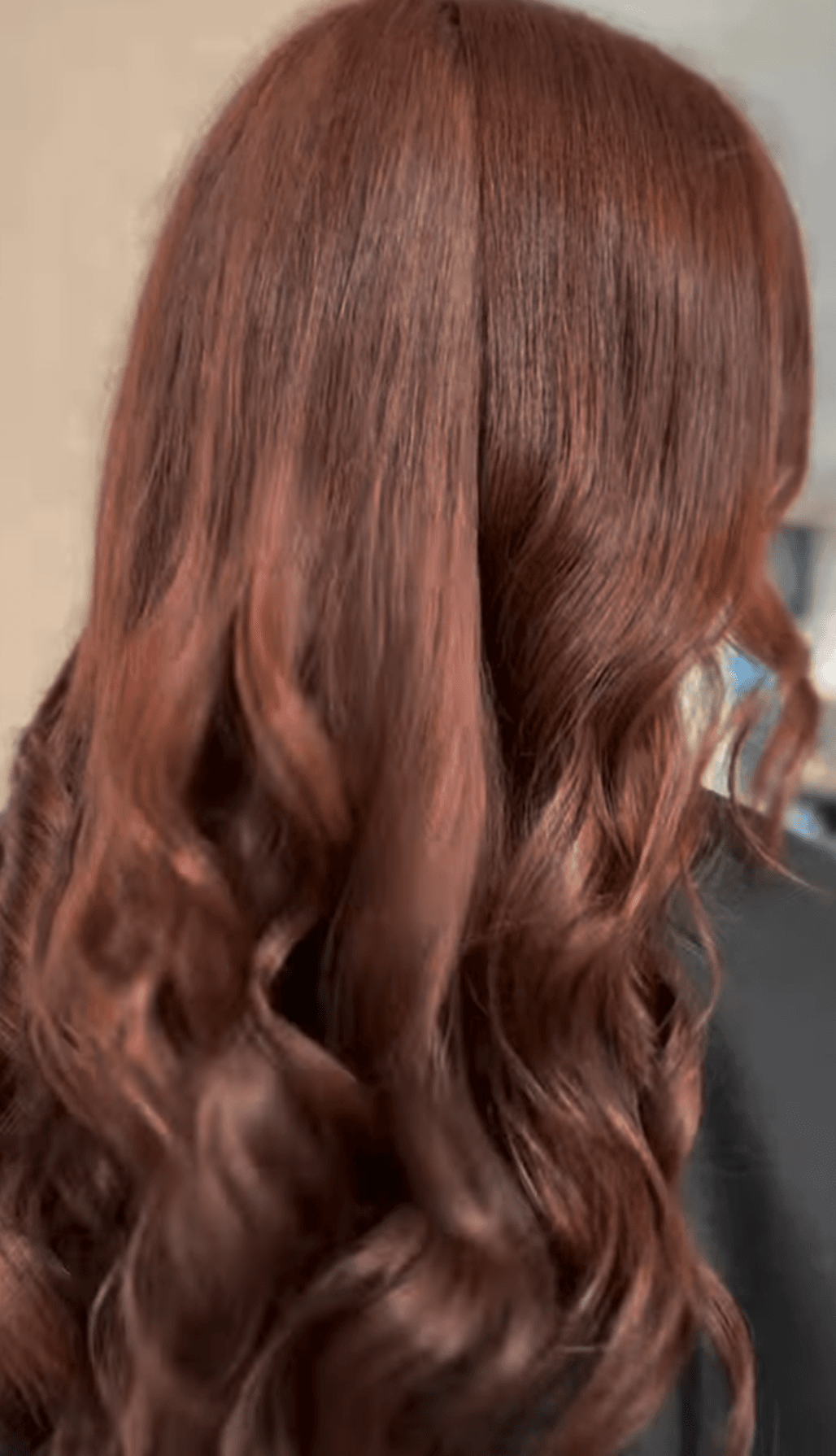
Example of salon-quality hair color showing even tone, shine, and healthy finish compared to typical box dye results.
Choosing between box dye vs salon hair color in Houston usually comes down to cost, time, and risk. When weighing Box Dye vs Salon Hair Color: What Houston Stylists Want You to Know, the biggest difference is not just price, but how predictable the result will be on your specific hair.
A box dye can be convenient, easy to buy, and budget-friendly for simple maintenance. Salon hair color costs more upfront, but it offers custom color, skilled application, and a lower chance of uneven tone, banding, breakage, or expensive color correction later.
Houston stylists see the same issues repeatedly after DIY hair color: hot roots, orange bands, muddy color, and too-dark ends from color buildup. The right choice depends on your goals, hair history, budget, and whether you want a subtle root touch-up or a bigger hair transformation.
When comparing box dye vs salon hair color in Houston, the real difference comes down to predictability, customization, and long-term hair health—not just price.
Box Dye vs Salon Hair Color in Houston: Quick Answer
Box dye is designed for convenience, while professional hair color is designed for precision. That difference affects everything from gray coverage to tone retention and long-term hair health.
For a basic single-process color close to your current shade, box dye may work on healthy, untreated hair. For going lighter, gray blending, balayage, highlights, bleach services, or correcting previous color, salon color is usually the safer and more cost-effective choice over time.
Who This Comparison Helps Most
This comparison is especially useful for people covering gray at home, brunettes trying to go lighter, and anyone deciding between cost and convenience versus even results. It also matters for anyone with previous color, relaxers, bleach, damage, or porous ends that may react unpredictably to permanent color.
If your hair has a history of chemical services, the risk is higher than most box instructions suggest. That is where experienced stylists and a consultation can prevent a small color change from turning into a correction service.
The Chemistry Behind the Results
Hair color chemistry is not simple, even when the box makes it look easy. Pigment, developer, porosity, natural level, undertone, previous color, and processing time all affect the final result.
Salon hair color is mixed for the individual, while box dye uses a one-size-fits-most formula made for mass-market use. Two people can apply the same shade name and get very different results because hair structure, chemical composition, and existing pigment are different.
Custom Blends vs. Pre-Mixed Color
With custom blends, a colorist can adjust the base, tone, additive, and deposit level based on your goal and your hair’s condition. That customized formula can also account for brassiness, gray percentage, resistant roots, or porous mids and ends.
Pre-mixed color has less flexibility by design. That can increase the chance of unwanted warmth, flat color, or a result that turns darker than expected.
Developer Strength Matters
Developer strength changes how much lift or deposit happens during coloring. In salons, adjustable developer options help match the service to the hair’s elasticity, porosity, and integrity.
A fixed developer in a box may be too aggressive for fine or damaged hair and too weak for resistant gray or darker natural levels. That mismatch is one reason DIY results often look uneven.
Box Dye vs Salon Hair Color in Houston: Cost Comparison
The shelf price of box dye is clearly lower than a salon visit. The problem is that long-term cost is not measured by one purchase, but by what you spend after repeated applications, fading, and correction.
DIY hair color can become expensive when overlapping permanent color causes dryness, dark ends, or patchy gray coverage that needs professional help. A color correction appointment often costs more than getting the right formula from the start.
When Box Dye Seems Cheaper
Box dye appeals to people who want a quick root touch-up, easy access, and predictable budgeting. If your hair is healthy, untreated, and you stay very close to your natural shade, the lower upfront cost can make sense.
It also works for people who value speed over customization. For some routines, that tradeoff feels worth it.
When Salon Color Saves Money
Salon color often gives better value for highlights, balayage, gray blending, toner services, gloss refreshes, and major color changes. Fewer mistakes, less product waste, and longer-lasting color can reduce the need for emergency fixes.
That matters even more if you have previous color or want to go lighter. Once black box dye or heavy color buildup enters the picture, the price of correction rises fast.
Box Dye vs Salon Hair Color in Houston: Hair Health Comparison
If the question is which option is healthier, salon color usually wins. Professional formulas are selected and applied based on hair health, history, and realistic lift goals.
Damage does not come only from the dye itself. It also comes from poor sectioning, overlapping permanent color, using the wrong developer, incorrect processing time, and weak aftercare habits.
Research published by the National Institutes of Health shows that chemical hair treatments can impact hair structure and integrity, especially when not properly matched to the hair type or condition.
Why Professional Formulas Can Protect Hair Structure
Stylists assess porosity, elasticity, previous color, and signs of stress in the cuticle before choosing a formula. They may use lower-impact options, semi-permanent color, ammonia-free color, bond-supporting treatments, toner, or gloss services depending on what your hair can handle.
Professional brands also offer more control over chemical composition and pH balance. That control helps protect hair structure while still achieving the target tone.
Common Signs of DIY Damage
Common problems include dryness, breakage, muddy color, hot roots, banding, and overly dark ends. When hair is compromised, it does not absorb or reflect pigment evenly, which makes future color services harder.
Porous ends are especially vulnerable. They often grab ash tones too strongly or fade in patchy ways that make the whole color look dull.
Results and Longevity: Tone, Evenness, and Fade
Salon color usually looks more dimensional, polished, and intentional than all-over box color. That is because pigment quality, pH balance, custom toning, and application skill all affect how the color reflects light and fades.
Houston adds extra challenges because sun exposure, humidity, hard water, and frequent washing can shift tone faster. A shade that looked fine on day one can turn brassy or flat within weeks if the formula and aftercare were not right.
Why Salon Color Often Lasts Better
Colorists build formulas around your undertone, natural level, and hair history, which improves fade resistance and tone retention. Professional aftercare guidance also helps, especially when it includes color-safe shampoo, heat protection, glosses, and occasional toning.
Longer-lasting color is not just about stronger dye. It is about matching the formula to the hair so the pigment holds more evenly.
Why Box Dye Can Turn Uneven
Roots process faster because scalp heat affects lift, which can create hot roots. Mid-lengths and porous ends may absorb more deposit, leaving the overall result darker or patchier.
Previously colored hair also reacts differently than virgin hair. Trying to use a lighter box shade to lift old permanent color often leads to uneven tone instead of actual lightening.
When Box Dye Makes Sense and When It Does Not
Box dye is not always a bad idea. The key is knowing when the risk is low and when the job needs a professional plan.
Good Candidates for Box Dye
You may be a reasonable candidate for box dye if your hair is healthy, untreated, and you are doing a single-process root touch-up close to your current shade. It also helps if you are willing to stay at the same depth, follow directions carefully, and accept less customization.
A simple maintenance routine is where DIY has the best chance of success. The fewer variables involved, the lower the risk.
When to Book a Salon Instead
Book a salon if you want to go lighter, fix brassiness, blend gray, cover previous box dye, correct uneven color, or change tone in a noticeable way. You should also avoid DIY if bleach, highlights, balayage, vivid shades, or compromised hair are involved.
This is especially true for brunettes trying to lift to a lighter brown or blonde. Lift requires chemistry control, and old permanent color rarely responds the way a box suggests.
What Houston Stylists Commonly See After Box Dye
Houston stylists often deal with color fading, warmth, and texture changes made worse by local conditions. Heat, UV exposure, humidity, and hard water can all make DIY color look rough faster than expected.
The most common correction cases include black box dye buildup, orange bands, too-dark brunette results, and patchy gray coverage. These issues usually take more than one visit to fix, which is why getting the formula right first often saves money and stress.
The Most Frequent Correction Problems
Banding from repeated overlap is one of the biggest problems. Stylists also see hot roots from scalp heat, uneven lift over old permanent color, and porous ends that turn muddy or grab cool tones unevenly.
Gray coverage is another issue. Resistant gray often needs a specific formula and application approach, not just more dye.
Why Houston Conditions Matter
Humidity can distort how color and texture look from day to day, while sun exposure and hard water can speed up fading and brassiness. Good local aftercare usually includes color-safe shampoo, heat protection, gloss maintenance, and occasional toner services.
If you are comparing salons, it helps to look for a hair salon in the heights built on skill not hype. You can also review options like studio a salon the best hair salon for women in houston near you 1 and luxury hair smooth experience why studio a salon in houston heights is your top choice for color extensions styling in 2025.
Side-by-Side Comparison Table
A quick comparison makes the tradeoffs easier to see. The chart below focuses on what usually matters most in real appointments and real DIY outcomes.
Category | Box Dye | Salon Hair Color |
|---|---|---|
Upfront price | Lower | Higher |
Long-term cost | Can rise with re-dos and correction | Often lower for complex goals |
Formula customization | Limited, pre-mixed color | Fully customized formula |
Developer options | Fixed developer | Adjustable developer |
Ingredient quality | Mass-market variation | Professional brands with more control |
Application skill | DIY dependent | Skilled application by trained stylists |
Gray coverage | Can be inconsistent | Better matched to gray percentage and resistance |
Hair health impact | Higher risk if misused | Usually gentler when tailored |
Longevity | May fade unevenly | Better tone retention and fade resistance |
Ability to go lighter | Very limited over previous color | Better options with professional planning |
Risk of uneven tone | Higher | Lower |
Correction potential | Often creates need for correction | Lower correction risk |
Best use case | Simple root maintenance near current shade | Gray blending, highlights, balayage, transformations |
If you are also updating your overall look, services often work better together than separately. Related resources like long layered haircut near me elevate your style at houstons studio a salon and best hair extensions salon houston tx can help you plan beyond color alone.
Final Verdict: Which Option Is Better for You?
Box dye can be enough if your goal is simple maintenance, your hair is healthy, and you are staying close to your current shade. For most other situations, salon hair color is the better choice for healthier hair, even results, custom blends, and fewer expensive surprises.
Hair history matters more than many people realize. If you have previous color, bleach, damage, gray, or a bigger tone change in mind, a consultation with experienced stylists is usually the smarter move before you apply anything at home.
Best Takeaway for Readers
Choose box dye for low-risk upkeep and realistic expectations. Choose salon color when you want customized tone, longer-lasting color, gray blending, correction, or a visible change without gambling with your hair structure.
FAQs
Is it better to use box dye or go to a salon?
It depends on your goal. Box dye can work for a simple root touch-up close to your current shade, but salon color is usually better for customization, gray blending, going lighter, and avoiding costly mistakes.
Can HRT affect hair dye?
Yes. HRT can change hair texture, porosity, oil production, and how color processes or fades, so it can affect your result.
Tell your stylist if you are on HRT. That helps them adjust the formula and processing plan.
What hair dye do professional stylists use?
Stylists use professional hair color lines that allow custom mixing of shades, tones, and developer strength. The brand varies by salon, but the real advantage is the tailored formula rather than a one-size-fits-all kit.
Is box dye or salon dye healthier?
Salon dye is often healthier because it is chosen and applied based on your hair’s condition, history, and goals. Box dye can be harsher in practice when the formula, timing, or application does not match the hair.
Posted on 03/19/2026 at 10:23 AM


