
Hair Color Correction in Houston: Fixing Bad Hair Color the Right Way
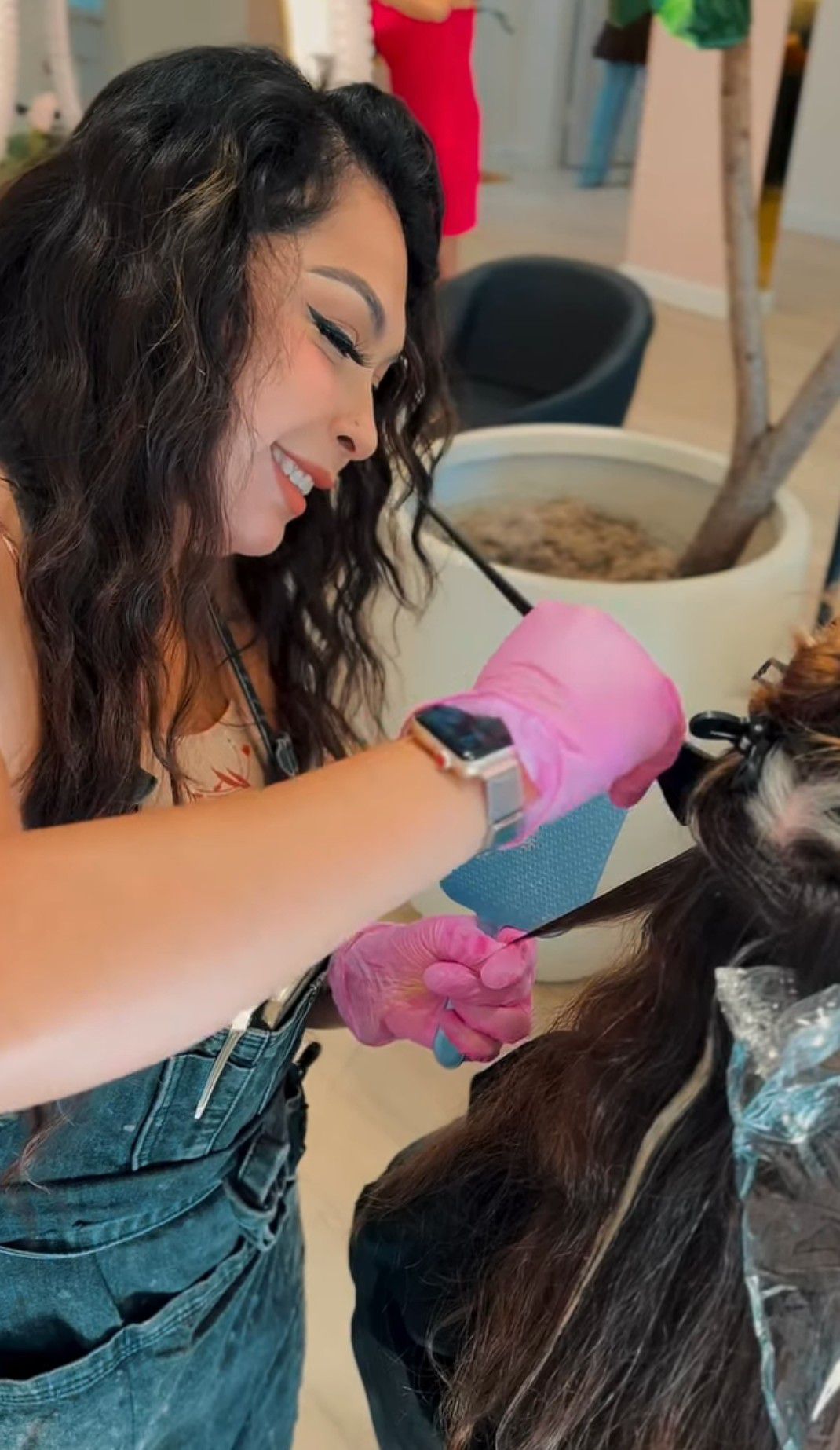
Beautiful hair starts with the right hands. ✨ From custom color and balayage to seamless blending and healthy, shiny results, every appointment is tailored to bring out your best look. Watching a transformation come to life is always the best part. 💕
You walked into a salon hoping to walk out with the hair of your dreams. Instead, you left with something brassy, blotchy, or just plain wrong. Maybe you tried a box dye at home that turned green. Maybe a colorist went too dark and now you feel like a completely different person — not in a good way.
Whatever happened, you're now searching for hair color correction in Houston — and that search has brought you here. At Studio A Salon, our color artists have spent years correcting hair color disasters of every kind, and we want to give you the honest, complete picture of what color correction actually involves before you book your next appointment.
"Color correction isn't just about fixing what went wrong — it's about understanding why it went wrong and making sure it never happens again."
What Is Hair Color Correction?
Hair color correction is a specialized service designed to fix hair that has been colored incorrectly — whether by a previous stylist, a box dye, or simply an experiment that didn't go as planned. Unlike a standard color appointment, correction work requires deep technical knowledge of hair structure, color theory, and chemistry.
According to the American Salon, color correction is one of the most technically demanding services in the professional hair industry. That's because every head of hair tells a different story — your natural pigment, previous chemical treatments, heat damage, and product buildup all affect how your hair will respond to color.
When performed by a trained colorist, correction can involve a combination of techniques including:
- Lifting — removing existing artificial or natural pigment
- Filling — replacing lost pigment before re-coloring
- Toning — neutralizing unwanted warmth or coolness
- Re-coloring — applying a new, corrected shade
- Bond rebuilding treatments — restoring structural integrity with products like Olaplex
The Most Common Hair Color Problems in Houston
Houston's humidity, hard water, and intense sun create some unique challenges for hair color maintenance. Here are the most common color disasters our team sees — and corrects:
Brassiness & Orange Tones
The most frequent complaint. Happens when hair isn't lifted to the right level before going blonde, or when toner fades.
Yellow or Greenish Blonde
Yellow can result from over-toning or underlying pigment not being neutralized. Green often comes from chlorine or certain box dyes reacting with minerals.
Too Dark / Black Box Dye
One of the hardest corrections. Black dye sits on every layer of the hair shaft and must be removed carefully and gradually.
Uneven or Patchy Color
Poor application technique or inconsistent processing time leads to blotchy, two-toned results. Often seen with at-home highlights.
Failed Balayage or Highlights
Chunky highlights, over-processed ends, or balayage that looks striped instead of blended all fall under this category.
Chemical Damage from Bleach
Over-bleached hair can become mushy, gummy, or break off. Correction here is about restoring health first, color second.
Why You Should Never Try to Fix Bad Hair Color at Home
We understand the temptation. You're staring at orange hair, a box of "ash blonde" is sitting in your Amazon cart, and you're convinced you can fix it yourself. Please don't.
Here's the problem: hair color doesn't work subtractively the way paint mixing does. Putting an ash tone over orange doesn't give you a neutral blonde — it gives you green, or brown, or something that ends up even harder to correct. The chemical processes involved in hair color are complex, and without understanding the underlying pigment wheel and hair porosity, DIY attempts almost always make the situation worse.
⚠ A WORD OF CAUTION
Over-the-counter color strippers, bleach kits, and "color removers" are frequently the cause of the most severe correction cases we see. When used without proper knowledge of your hair's current state, they can cause irreversible breakage. If your hair feels gummy, stretchy, or snaps when wet — stop all chemical processes immediately and consult a professional colorist before doing anything else. Our team at Studio A offers in-depth consultations before any correction service.
The Studio A Color Correction Process
Every color correction at Studio A Salon begins the same way — with a thorough consultation. No two correction cases are the same, and your colorist needs to understand your full hair history before touching a single strand. Here's what the process typically looks like:
In-Depth Color Consultation
Your colorist reviews your hair history, including previous color, chemical treatments, heat use, and product routine. We look at porosity, integrity, and the current underlying pigment. This step cannot be skipped — it's the foundation of a successful correction.
Strand Testing
Before any chemical is applied to your entire head, we test a small, hidden strand to predict how your hair will react. This protects the integrity of your hair and helps us calibrate the correct formula and processing time.
Correction Phase (Lift, Fill, or Remove)
Depending on your hair's needs, this might involve a careful bleach or color remover to lift existing pigment, or a "filler" application to replace missing pigment before re-coloring. This is where the technical expertise truly matters.
Toning
Once the underlying pigment is where it needs to be, we apply a toner to neutralize any remaining unwanted warmth or coolness and dial in your target shade. A great toner is often the difference between "close" and "perfect."
Bond & Moisture Treatment
Chemical processes stress the hair's disulfide bonds. We use professional treatments — including Olaplex and Kérastase — to rebuild strength and restore moisture throughout the correction process.
Aftercare Plan & Home Routine
You leave with a clear roadmap: which shampoos to use, how often to wash, when to come back for a toner refresh, and how to protect your color in Houston's sun and humidity. Color correction is a partnership — what you do at home matters enormously.
How Long Does Color Correction Take?
Honesty matters here: color correction is rarely a one-and-done service, and any colorist who promises a dramatic correction in a single session without examining your hair first should raise a red flag.
Minor corrections — adjusting a tone, fixing patchiness, or refreshing a faded balayage — can often be resolved in a single appointment of 2–4 hours. Major corrections — like going from black box dye to a medium blonde, or repairing severely over-processed hair — can require multiple sessions spaced 4–8 weeks apart to allow the hair to recover and to avoid catastrophic breakage.
The editors at Allure note that patience is the most important ingredient in a successful color correction — and our stylists couldn't agree more. Rushing the process damages the hair and often sets the correction back further.
How Much Does Hair Color Correction Cost in Houston?
Color correction pricing varies widely based on the severity of the problem, hair length and density, and how many sessions are needed. Here's a general framework to help you plan:
| CORRECTION TYPE | ESTIMATED RANGE | SESSIONS | COMPLEXITY |
|---|---|---|---|
| Toner refresh / minor tone adjustment | $80 – $150 | 1 | Low |
| Brassiness correction / highlights gone wrong | $150 – $300 | 1 | Moderate |
| Full balayage re-do or color melt correction | $250 – $450 | 1–2 | Moderate |
| Dark-to-light major correction | $400 – $700+ | 2–4 | High |
| Black box dye removal / full correction | $500 – $900+ | 3–5+ | High |
Prices are estimates only. An accurate quote requires a consultation at Studio A Salon. Pricing reflects our Houston locations.
💡 PRO TIP: THE CONSULTATION IS EVERYTHING
Never let a salon quote you a firm price for color correction without seeing your hair first. A responsible colorist will not commit to a price or a timeline until they've assessed your hair in person. At Studio A, we build trust through transparency — we tell you exactly what's possible, how many sessions it will likely take, and what the realistic outcome looks like for your specific hair. Book a consultation today.
Maintaining Your Corrected Color: Houston-Specific Tips
Houston's climate is genuinely tough on hair color. The combination of intense UV exposure, chlorinated pools, hard water (Houston sits in a region with notably high mineral content), and humidity means your color will fade faster than in cooler, drier climates. After your correction, here's how to make it last:
Use a sulfate-free, color-safe shampoo
Sulfates are detergents that strip color rapidly. Brands like Kérastase and Shu Uemura Art of Hair — both available through Studio A — offer professional-grade color protection formulas designed for chemically treated hair.
Wash less frequently
Every wash cycle leaches pigment from the hair shaft. Extending your wash cycle — even by just one day — meaningfully extends the life of your color. Dry shampoo is your friend.
Protect against UV exposure
Houston averages more than 200 sunny days per year. UV rays break down hair color pigment the same way they fade fabric. Use a UV-protective leave-in spray or wear a hat when spending extended time outdoors.
Filter your shower water
Hard water deposits minerals on the hair shaft that dull color and contribute to brassiness over time. A shower filter — or a periodic chelating shampoo treatment at the salon — can make a significant difference.
Return for a toner touch-up every 4–8 weeks
Toners are semi-permanent and fade with every wash. A regular toner refresh keeps your color vibrant and prevents the brassiness from creeping back. Think of it as maintenance, not a full service.
FAQ: Hair Color Correction in Houston
Can all bad hair color be corrected?
In most cases, yes — but not always in a single session, and not always quickly. In rare cases of extreme damage (hair that is fully compromised structurally), a colorist may recommend waiting or cutting the damaged portions first. A consultation will determine what's realistically achievable for your hair.
How soon can I get color correction after a bad dye job?
It depends on how fresh the color is and the condition of your hair. In some cases, waiting a week or two allows the hair to stabilize and gives the color time to fully oxidize, making it easier to work with. Your colorist will advise based on what they see in your consultation.
Does color correction damage your hair?
Any chemical process involves some level of stress on the hair. However, a skilled colorist minimizes damage by using bond-building treatments, avoiding unnecessary processing, and never pushing hair further than it can healthily handle in a single session. Our team uses Olaplex and Kérastase protocols throughout correction services.
What's the difference between a toner and color correction?
A toner is a targeted, semi-permanent gloss used to neutralize unwanted warmth or fine-tune tone — typically a finishing step. Color correction is the broader process that may include lifting, filling, removing, and re-coloring to fully address a color problem. Toning is often part of a correction, but a toner alone isn't always enough.
How do I find the best color correction salon in Houston?
Look for a salon with a portfolio of color correction work specifically (not just fashion color), transparent pricing and consultation policies, and colorists who are honest about timelines and realistic outcomes. Read reviews on Yelp and Google, and always book a consultation before committing to a full service.
Why Houston Clients Choose Studio A for Color Correction
Studio A Salon has been one of Houston's most trusted boutique salons for years, led by award-winning stylist David Armendariz and a team of specialized color artists.
Our color artists specialize in multi-dimensional color, balayage, and the full spectrum of correction work. We use exclusively professional-grade products from Kérastase and Shu Uemura — not grocery store formulas — and every correction appointment is backed by a thorough consultation and honest communication about what's achievable.
We know that coming in after a bad color experience can feel vulnerable. Our goal is to make you feel informed, heard, and genuinely excited about the process — not rushed or oversold.
Ready to Fix Your Hair Color?
Book a color correction consultation at Studio A Salon in Houston. We'll assess your hair, explain what's possible, and build a plan — with no surprises.
BOOK A CONSULTATION View Our Services
Posted on 05/30/2026 at 07:51 AM


