
How Houston Hard Water Affects Your Hair
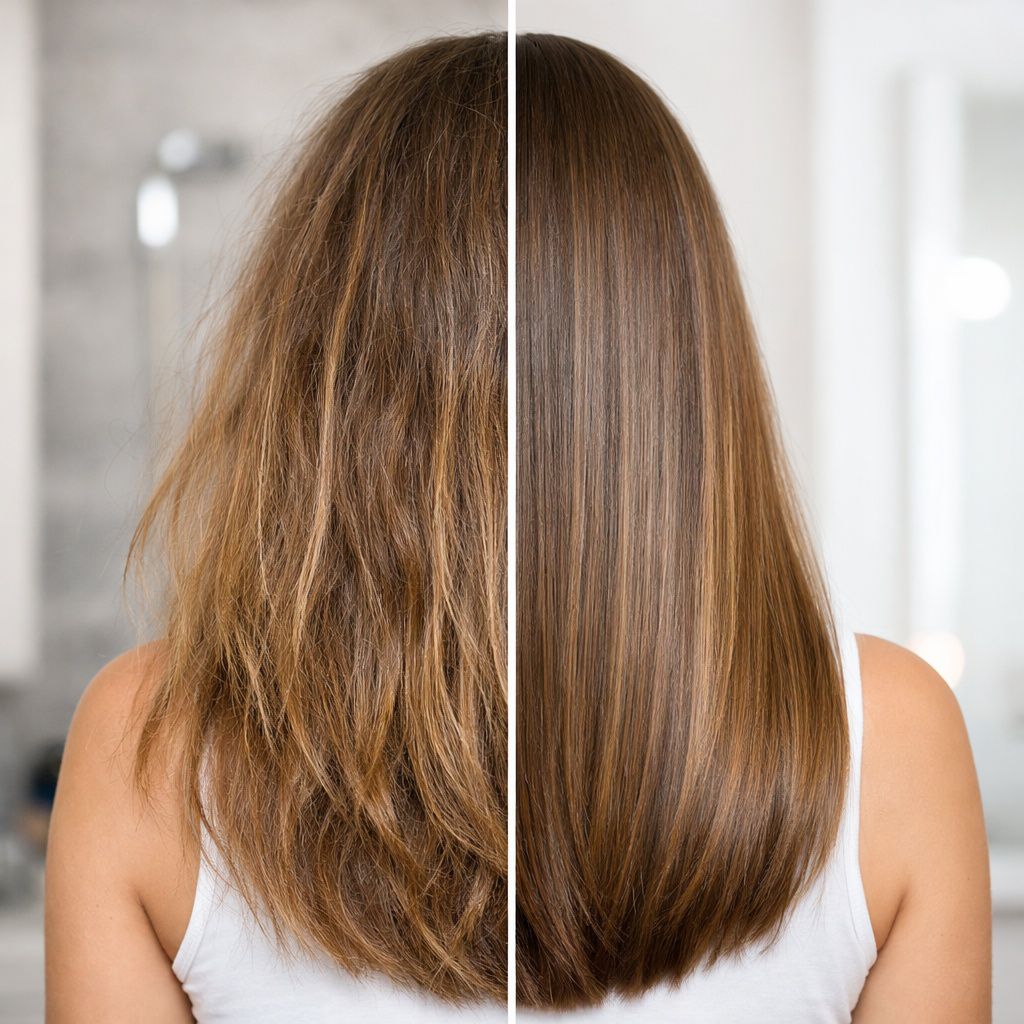
Houston, TX water can leave your shower door spotted, your faucets crusted with limescale, and your hair strangely rough even after a fresh wash. If your strands feel dry, dull, tangled, or coated, water hardness may be part of the problem.
Many homes across Texas deal with hard water, which means the water contains higher levels of dissolved minerals such as calcium and magnesium. Those minerals do not just affect plumbing and glassware.
They can also cling to the hair shaft, disrupt the hair cuticle, and make a normal hair care routine feel less effective. That is why some Houston residents notice buildup, poor lather, scalp issues, and a steady loss of softness or shine.
Why Hard Water Is a Common Hair Issue in Houston
Hard water is water with elevated mineral content, most often calcium and magnesium. In Houston, that mineral-heavy water can show up in everyday ways, from soap scum on tile to hard water deposits around showerheads.
Hair often becomes one of the first places people notice the effects. Shampoo may not rinse as cleanly, conditioner may seem less effective, and strands may start to feel stiff or dehydrated over time.
This matters because repeated exposure usually causes more trouble than one bad wash. A single shower rarely changes much, but week after week of mineral residue can affect texture, moisture retention, and scalp comfort.
What Hard Water Means for Daily Hair Care
In simple terms, hard water is water loaded with minerals. Soft water has fewer of those dissolved minerals, so cleansers rinse more easily and hair usually feels smoother after washing.
With hard water, shampoo can struggle to lather well, especially if you already use rich products or have buildup on the scalp. That poor lather often leaves behind shampoo residue, which mixes with minerals and creates even more residue.
Repeated washing in hard water can strip away protective oils while still leaving deposits behind. That combination is frustrating because hair can feel both dry and coated at the same time.
For many people, the issue builds slowly. You may not connect your rough texture or fading color to water hardness until your weekly wash routine stops giving you the same results it once did.
What Hard Water Does to Hair and Scalp
Hard water does not usually damage hair in the same way bleach or high heat can. Instead, it creates conditions that lead to hair damage over time by leaving mineral buildup on the hair shaft and scalp.
Those minerals can cling to the surface of the hair and make strands feel rough, stiff, or waxy. The buildup can also block moisture from getting in, which affects softness, elasticity, and shine.
When residue sits on the scalp, cleansing gets less efficient. Shampoo, conditioner, natural oils, and minerals can all collect together, which may contribute to scalp irritation, dry scalp, itchy scalp, flakes, and a general feeling that your hair is never truly clean.
How Minerals Affect the Hair Cuticle
The outer layer of each strand is called the hair cuticle. When calcium and magnesium leave residue behind, the cuticle can become rougher and less uniform.
That roughened surface makes hair more likely to catch on itself, which leads to frizz, tangles, and reduced shine. Hair may also look dull because light does not reflect as evenly off a coated or lifted cuticle.
This is one reason brittle hair and breakage can become more common in hard water homes. When the cuticle stays rough and dehydration sets in, strands lose slip and become easier to snap during brushing or styling.
How Hard Water Affects the Scalp
The scalp can react to hard water too. Residue from minerals and poor rinsing may leave skin feeling tight, itchy, or flaky.
Not every flake is dandruff. In many cases, what looks like dandruff may actually be dryness, shampoo residue, or scalp irritation linked to hard water deposits.
The scalp also depends on a healthy protective skin barrier. When harsh cleansing, residue, and dehydration happen together, that barrier can become stressed, which may increase discomfort after washing.
Signs Houston Hard Water May Be Affecting Your Hair
A lot of people blame their products first. Sometimes the bigger issue is the water those products are mixing with every day.
If you live in Houston and your hair has changed without a major shift in color services, heat styling, or hormones, hard water is worth considering. The clues are often visible at home and easy to compare over a few weeks.
Visible and Texture Changes
The most common signs show up in how hair looks and feels.
Dull hair that lacks shine even after conditioning
Dry hair that feels thirsty soon after washing
Brittle hair that snaps more easily during detangling
Frizz that appears even in styles that are usually smooth
Tangles that seem worse at the ends and mid-lengths
Roughness or a coated feel on freshly washed strands
Hair that feels heavy, flat, or limp despite being clean
Reduced softness and movement
These symptoms can overlap with heat or chemical damage, but there is a difference. Heat styling often causes more obvious split ends and localized dryness, while hard water tends to create an all-over coated texture and dullness from root to tip.
Scalp and Shedding Clues
Scalp symptoms are another clue that often gets missed.
Itchy scalp after washing
Dry scalp that feels tight or irritated
Flakes that resemble dandruff
Scalp irritation that improves when washing elsewhere
Breakage around the hairline or crown that looks like hair loss
Hair color fading faster than expected
Blonde, highlighted, or lightened hair turning brassy
Breakage is especially easy to confuse with hair loss. If you see shorter snapped hairs on your shoulders, sink, or brush, the issue may be strand weakness rather than shedding from the root.
Why Some Hair Types Struggle More Than Others
Two people can live in the same house, use the same shower, and have very different results. Hair type, porosity, density, and chemical history all affect how strongly someone notices hard water.
Fine hair often shows buildup quickly because it has less weight and volume to hide it. Curly hair, coily hair, color-treated hair, and chemically processed hair often struggle more with dryness because they already need stronger moisture support.
Fine and Straight Hair
Fine hair tends to reveal mineral buildup fast. It can look flat, limp, greasy at the roots, and dry at the ends all at once.
Residue is also easier to feel on straight hair because the surface texture changes are more obvious. Many people describe it as a coated sensation that remains even after shampooing.
Water hardness can also throw off oil balance. When hair does not rinse cleanly, people often wash more often, which can lead to more dehydration and even more roughness.
Curly, Coily, and Color-Treated Hair
Curly hair and coily textures usually need more moisture retention to stay soft and defined. Hard water can make that harder by leaving minerals on the strand and reducing how well conditioner penetrates.
This often shows up as frizz, reduced curl definition, tangles, and a rough finish. Hair that normally feels springy may start to feel dry, stiff, or less responsive to products.
Color-treated hair and chemically processed hair are also more vulnerable. If the cuticle is already more porous, hard water may worsen dullness, brassiness, fading, and breakage.
If you regularly smooth, color, or heat-style your hair, you may benefit from pairing water-focused changes with salon care. Readers looking for a polished finish between services may also like these summer hair care tips for stronger strands.
How to Tell If Hard Water Is the Real Problem
Hair symptoms alone do not prove the cause. The best approach is to look for clues in your home, compare how your hair behaves in different water conditions, and test before spending money on random hair care solutions.
A lot of Houston households already have visible signs of hard water treatment needs. If the bathroom shows mineral residue, your hair may be showing the same pattern.
Household Clues That Support a Hard Water Diagnosis
Check the areas around your sink, tub, and shower first.
White scale around faucets or showerheads
Limescale on tile, fixtures, or glass
Spotty glassware and cloudy residue
Soap scum on bathroom surfaces
Cleansers that leave a filmy feel
Poor soap lather in the shower or sink
These signs suggest minerals are present in amounts high enough to affect cleaning performance. If your shower leaves hard water deposits on metal and glass, it can leave residue on hair too.
Simple Ways to Confirm It
You do not need a lab test to start. A home water test kit can give you a basic reading for water hardness within minutes.
You can also check a local water quality report for Houston, TX or your specific neighborhood. Municipal data can give useful context, though in-home conditions may still vary based on plumbing and fixtures.
Another simple test is comparison. If your hair feels softer after washing at a gym, hotel, salon, or another home with soft water, that difference matters.
You can also try a chelating shampoo once or twice as directed. If your texture improves, shine returns, and your hair feels lighter, mineral buildup is likely involved.
Practical Ways to Protect Your Hair From Hard Water
You do not need to overhaul everything at once. Most people get the best results by combining better product choices with one realistic water treatment step.
The goal is simple: remove residue, restore moisture, and reduce future mineral exposure. That tends to work better than piling on heavier stylers to hide the problem.
Hair Care Routine Adjustments
A chelating shampoo is usually the best shampoo for hard water. It contains chelating agents that bind to minerals such as calcium and magnesium so they can rinse away more effectively than a standard clarifying shampoo.
Use it periodically rather than daily unless a stylist recommends otherwise. Overuse can dry the hair out, especially if you already have brittle hair, color-treated hair, or chemically processed hair.
After a chelating wash, follow with a rich conditioner. A hair mask can also help restore slip, softness, and moisture after buildup removal.
This is where consistency matters. One reset wash may help, but ongoing exposure means your hair care routine should include both mineral removal and moisture support.
If your hair has become rough or hard to manage, getting a professional cut can also reduce the appearance of damage while you fix the underlying cause. Some readers in Houston look for a layered cut that removes dry, worn ends without losing movement.
Shower and Home Water Solutions
A shower filter and a water softener are not the same thing. That distinction matters.
A shower filter may reduce certain impurities depending on the model. It can be useful in some homes, but it usually does not remove hardness minerals as effectively as a true water softening system.
A water softener is designed to address calcium and magnesium directly. If hard water affects your hair, skin, fixtures, and laundry, a whole-home solution often makes the biggest difference.
For people researching hard water treatment in Texas, brands such as Culligan are often part of the conversation. The right setup depends on your water hardness level, budget, and whether you want a point-of-use option or full-home water treatment.
If your hair is also dealing with smoothing services or humidity-related frizz, it helps to understand how salon treatments fit into your routine. You can read more about professional smoothing options for healthier-looking hair.
Common Mistakes People Make When Treating Hard Water Hair
The biggest mistake is treating every symptom as a product problem. If mineral-heavy water is the root cause, more styling cream or more shampoo may only add to the residue.
Another common mistake is expecting instant results. Hair usually improves over several washes, not overnight.
Product Mistakes
Using heavy products on mineral-coated hair can increase dull hair and make strands feel even more weighed down. The residue from stylers can sit on top of hard water residue and make texture worse.
Skipping conditioner after a chelating shampoo is another problem. Once buildup is removed, the hair cuticle may feel exposed and rough unless you add moisture back in.
Some people also overuse clarifying formulas. That can strip protective oils, increase dehydration, and make frizz or breakage worse.
Diagnosis Mistakes
Breakage is often mistaken for hair loss. True hair loss comes from the root, while breakage leaves snapped pieces of different lengths.
Scalp flakes are also misread all the time. Not every flake means dandruff, and not every itchy scalp needs a medicated shampoo.
Dryness, shampoo residue, and hard water deposits can all create dandruff-like flakes. If your scalp issues improve after reducing buildup, the problem may be residue rather than a chronic scalp condition.
What Houston Readers Should Do Next
If your hair feels dry, dull, rough, or harder to manage than it used to, hard water is a reasonable suspect. In Houston, TX, that is not a niche problem.
Look for the pattern. Mineral buildup on fixtures, poor lather, coated strands, scalp irritation, brassiness, breakage, and fading color often point in the same direction.
A Simple Action Plan
Start with four steps.
Confirm water hardness with a home water test kit or water quality report
Remove buildup with a chelating shampoo used as directed
Restore moisture with conditioner and a hair mask
Consider a shower filter or water softener if the issue keeps returning
Then give it time. Track your hair for several weeks and watch for changes in shine, texture, tangles, scalp comfort, and breakage.
If symptoms persist, get a second opinion from a stylist or a water treatment professional. A skilled salon team can also help you separate hard water effects from color damage, heat damage, or haircut issues.
If you want a trusted local perspective, you can learn more about a Houston Heights salon known for skilled, detail-focused hair services. For readers comparing finishing, color, and extension-friendly services, this look at one elevated salon experience in Houston Heights may also be useful.
FAQ
How Is Water In Texas For Hair?
It depends on the city and the home, but many Texas households deal with hard water. Higher mineral content can leave residue on the hair shaft, which may lead to dry hair, dull hair, roughness, frizz, tangles, and scalp discomfort.
How To Stop Hair Damage From Hard Water?
Start by removing mineral buildup with a chelating shampoo. Follow with a moisturizing conditioner or hair mask, then consider a shower filter or water softener if hard water is a persistent issue.
Is Houston, TX Water Hard Or Soft?
Houston water is commonly described as hard to moderately hard in many homes. That means it may contain enough calcium and magnesium to affect hair, skin, cleaning performance, and the buildup you see around showerheads and faucets.
What Shampoo Is Best For Hard Water?
A chelating shampoo is usually the best option because it is designed to remove hard water residue more effectively than a standard clarifying shampoo. If your hair is color-treated, brittle, or very dry, ask your stylist how often to use it so you do not over-cleanse.
Posted on 03/27/2026 at 01:15 PM


