
How Long Should You Wait Between Hair Color Appointments?
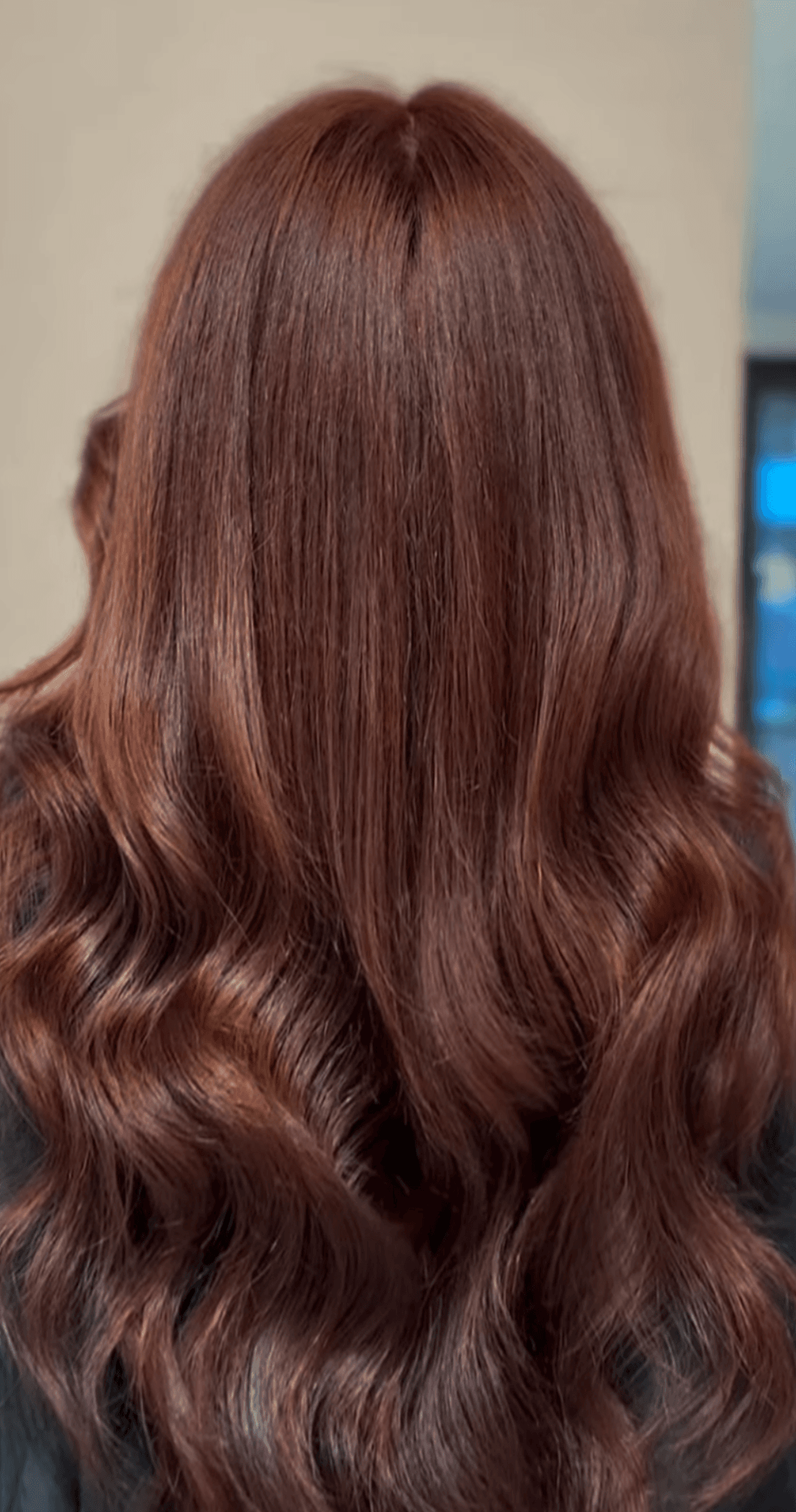
One of the most common questions clients ask is, “How long should I wait before coloring my hair again?”
The answer isn’t one-size-fits-all. In reality, your ideal timeline depends on the type of color you have, how quickly your hair grows, and how well you maintain it between visits.
When appointments are timed correctly, your hair stays healthy, vibrant, and consistent. However, waiting too long — or going too often — can lead to unnecessary damage, uneven results, or costly corrective services.
If you’re unsure about your ideal maintenance schedule, scheduling a consultation at Studio A Houston can help create a personalized color plan tailored to your hair goals
First, How Fast Does Hair Grow?
On average, hair grows about half an inch per month. However, growth rates vary depending on genetics, age, hormones, and overall health. Because of this, some people see roots quickly while others can stretch appointments longer.
Understanding your growth pattern is the foundation for building a smart color schedule.
Root Touch-Ups and Gray Coverage
If you wear a single-process color, especially for gray coverage, roots typically become noticeable around week four.
Most clients benefit from returning every 4–6 weeks. This timing works because:
Gray hair contrasts strongly against darker shades
Regrowth beyond one inch can become harder to blend
Consistency prevents banding
Additionally, gray hair tends to be coarser and more resistant. Therefore, staying on schedule ensures better coverage and more predictable results.
If you regularly wait 8–10 weeks, your stylist may need to adjust the formula or processing time to correct uneven regrowth.
Highlights (Traditional Foil Services)
Highlights offer more flexibility because they are woven through the hair rather than applied as a solid base. As a result, regrowth appears softer.
Most highlight clients return every 8–12 weeks for a full refresh. However, tone maintenance is just as important as placement.
Between highlight services, many people benefit from:
A toner appointment
A gloss to restore shine
A conditioning treatment
This approach allows you to maintain brightness without over-lightening the hair.
Balayage and Lived-In Color
Balayage is intentionally designed for longevity. Because the lightened pieces begin lower on the hair, grow-out appears natural and gradual.
Clients with balayage often wait 10–16 weeks before another full lightening session. Nevertheless, tone still shifts over time due to washing, heat styling, and environmental exposure.
To maintain that effortless finish, consider:
Gloss refreshes every 6–8 weeks
Face-framing touch-ups if brightness fades
Deep conditioning treatments to preserve shine
Low maintenance does not mean no maintenance — it simply means fewer full services.
Platinum Blonde and High-Lift Blondes
Platinum requires the most discipline.
Because lightening happens directly at the root, appointments should be scheduled every 4–6 weeks without delay. Once regrowth exceeds about one inch, the risk of uneven lift increases.
Waiting too long can cause:
Banding
Uneven color
Breakage from overlapping bleach
In this case, strict consistency protects both appearance and hair integrity.
Reds, Coppers, and Fashion Shades
Vibrant tones fade faster due to how pigment molecules interact with the hair shaft. Reds and coppers begin to soften within four to six weeks, while pastels may fade even sooner.
Most fashion color clients schedule refreshes every 4–8 weeks, depending on vibrancy goals.
To extend color longevity:
Use sulfate-free shampoo
Wash less frequently
Avoid excessive heat styling
Protect hair from sun exposure
These habits can significantly delay fading.
What Happens If You Color Too Often?
Although frequent refreshes may seem beneficial, over-processing can weaken the hair structure. Lightening removes natural pigment and alters protein bonds, so hair needs recovery time.
When appointments are spaced too closely, hair may become:
Dry
Brittle
More porous
Prone to breakage
Healthy hair retains color better. Therefore, patience often leads to longer-lasting vibrancy.
What Happens If You Wait Too Long?
On the other hand, excessive delay can complicate your next appointment. Large regrowth areas may require additional blending, especially with blonde services.
Waiting too long can lead to:
Uneven lift
Harsh lines
Additional product use
Higher service cost
Moderate consistency is typically the most cost-effective approach.
General Timing Guide
While personalization is key, here’s a helpful overview:
Root color / gray coverage: 4–6 weeks
Traditional highlights: 8–12 weeks
Balayage: 10–16 weeks
Platinum blonde: 4–6 weeks
Reds and coppers: 4–6 weeks
Fashion colors: 4–8 weeks
Toner or gloss refresh: 6–8 weeks
Use this as a framework — not a strict rule.
FAQs About Hair Color Timing
How long should I wait to recolor my hair after a full color service?
For permanent single-process color, waiting at least four weeks is typically recommended. This allows hair to recover and prevents unnecessary overlap.
While general timelines vary, understanding how often you can safely dye your hair helps prevent over-processing and long-term damage.
Can I color my hair every two weeks?
Coloring every two weeks is generally not advisable unless it’s a gentle gloss or toner. Frequent permanent color application can cause dryness and breakage.
Is it bad to wait too long between appointments?
Waiting too long can make blending more difficult, particularly for gray coverage or platinum services. However, for balayage, longer spacing is often intentional.
How do I know if I need a toner instead of full color?
If your roots look fine but your blonde appears brassy or dull, a toner or gloss may be all you need. This refreshes tone without reprocessing the entire head.
Does washing my hair every day affect how soon I need an appointment?
Yes. Frequent washing fades color faster. Reducing shampoo frequency can extend your time between visits.
Can I safely stretch my appointments?
Yes, depending on your color type. Balayage and dimensional highlights are designed for longer intervals, while platinum and gray coverage require stricter scheduling.
Final Thoughts
The best hair color schedule is one that supports both beauty and hair health. Instead of reacting to visible roots, work proactively with your stylist to build a maintenance plan tailored to your lifestyle and goals.
Consistency keeps your color looking intentional — and your hair feeling strong.
Posted on 02/17/2026 at 10:46 AM


