
What to Ask Your Hairstylist Before Coloring Your Hair in Houston
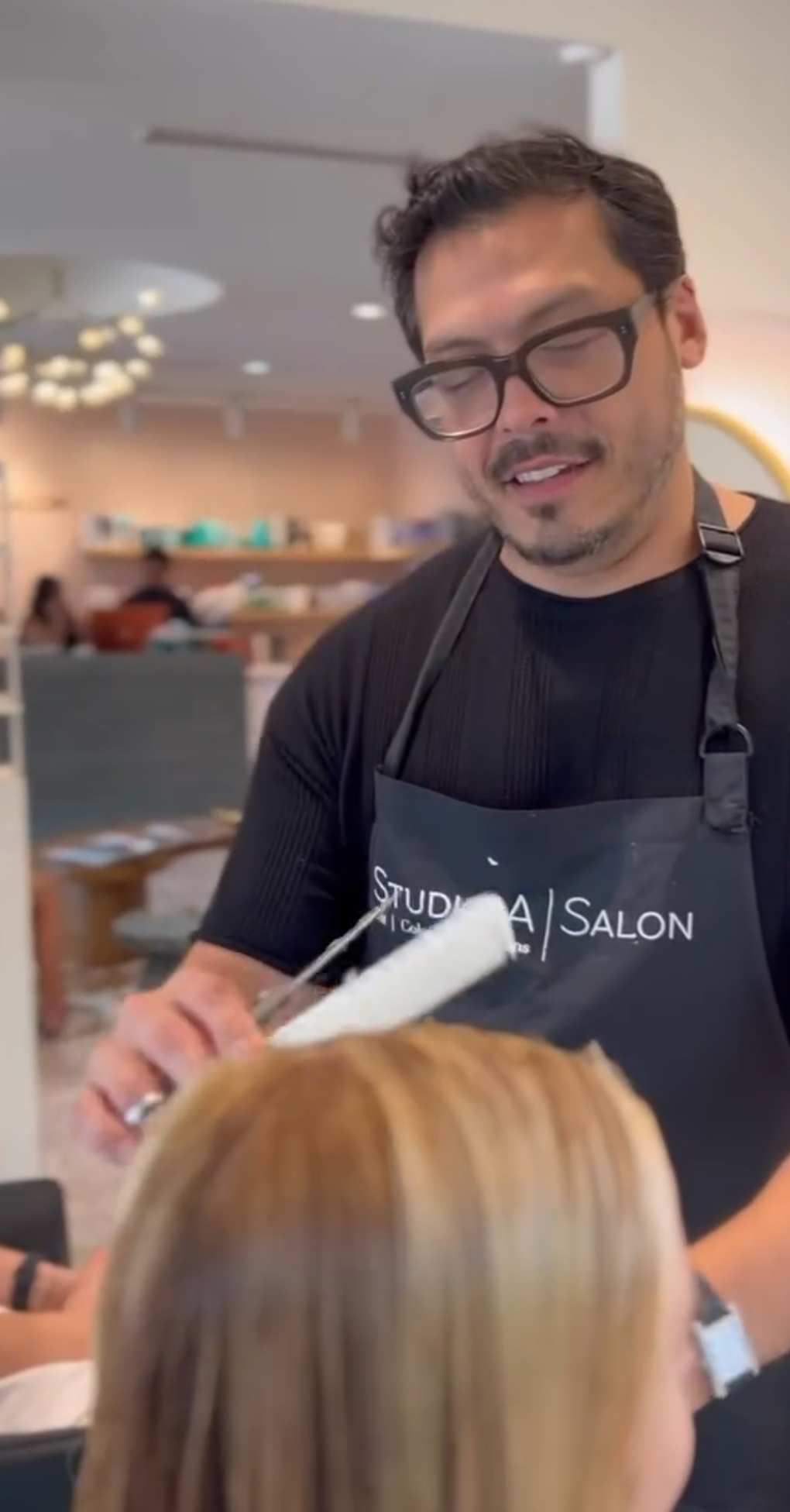
A great hair color appointment starts with the right consultation. At Studio A Houston, every color service is tailored to your hair history, maintenance goals, and the look you actually want to achieve.
Hair color appointments don’t go sideways because someone “picked the wrong shade.” They go sideways because the plan didn’t match your hair history, your maintenance tolerance, or what Houston humidity and sun exposure will do to that tone after week two.
A good consultation turns a Pinterest idea into a real color formulation your stylist can repeat, refresh, and keep healthy, whether you’re booking gray coverage in The Heights or going for platinum blonde.
Why a Pre-Color Consultation Matters in Houston
A consultation is where you and your stylist agree on what’s realistic for your hair today, not what’s possible “eventually.” That matters a lot if you’ve had boxed dye, past bleach or lightener, heat damage, a keratin treatment, or other chemical services that affect lift and hair integrity.
It also protects your time and budget. When you confirm the process, number of steps, and maintenance schedule up front, you avoid surprise add-ons like extra bowls, long/thick hair fees, toner, gloss, or a last-minute color correction.
Houston adds its own variables. Houston humidity can swell the hair cuticle and boost frizz, sun exposure can fade warm tones faster, and chlorine season can turn blondes brassy or dull.
What to Bring to Your Appointment
Bring 2 to 4 inspiration photos plus 1 to 2 “do not want” examples. The “no” photos prevent the classic miscommunication where you say “beige blonde” and your stylist hears “cool blonde,” or you say “copper hair” and get a brighter red hair color than you pictured.
Bring a quick hair history, even if it feels unrelated. Boxed dye (including Madison Reed), salon color, henna, relaxers, keratin treatments, big medication changes, and recent procedures can all change porosity, elasticity, and how evenly your hair takes color.
Questions About Your Goal Shade and Suitability
Start with tone, not just lightness. Ask what tones will flatter your skin undertone and eye color, and whether you read best in warm tones, cool tones, or neutral tones.
Then confirm the category of service you’re actually asking for. A single-process color is very different from dimensional color, highlights, double-process color, or a true color correction.
Don’t skip the natural base conversation. Ask how your natural level and gray percentage will influence the final result, because gray blending and gray coverage often require different placement, timing, and a different expectation for fade.
Tone, Undertone, and Brass Control
Ask how they’ll prevent brassiness, specifically. You want to hear a clear toner plan, whether a gloss is included, and home care guidance like purple shampoo for yellow tones or blue shampoo for orange tones.
Use exact words and ask what they mean on your hair. “Ash blonde,” “beige blonde,” “gold,” “copper,” and “cool blonde” are not universal, and the same label can look totally different depending on your starting level and lift.
If You’re Going Lighter or Blonde
Ask how light you can go in one appointment without compromising integrity. A careful stylist will talk about your current condition, previous color, and how your hair responds during processing, not just what you want.
If you’re aiming for platinum blonde, pastel hair, lavender hair, or vivid color, ask if you’ll need multiple sessions. Those shades often require clean, even lift first, then controlled toning, and rushing is how you end up with breakage or patchy banding.
Understanding Hair Color Maintenance Before Your Appointment
Before choosing a new hair color, it’s important to ask how much maintenance will be involved after the appointment. Some shades require regular toning, gloss treatments, or more frequent touch-ups to keep the color looking fresh, especially in Houston’s heat and humidity. Learning more about proper aftercare through L’Oréal Professionnel’s hair care tips can also help protect the health and appearance of your hair between salon visits.
Questions About Hair Health, Damage Risk, and Safety
Ask what your hair can handle right now. A stylist should be willing to talk about porosity, elasticity, and breakage risk, and whether a strand test is smart before committing to a full lightening service.
Bring up scalp sensitivity and any past allergic reaction to dye. Ask whether a patch test is recommended, and whether your service can be adjusted to reduce scalp contact if you’ve had irritation before.
Ask how they’ll protect your hair during lightening. You’re listening for specifics like a bond builder, a lower-volume developer when appropriate, careful timing strategy, and when they’d choose bleach versus a gentler lightener based on your goal.
Medical and Medication Considerations
Ask whether lupus, rosacea, or HRT could affect sensitivity, healing, or color results, and whether you should check with your clinician first. Many people can still color their hair, but flares, new meds, and reactive skin change the risk profile.
Share topical prescriptions, recent procedures, or scalp conditions before you book chemical services. This is also where your stylist may suggest a strand test, a patch test, or a more conservative approach like gray blending, a shadow root, or a root melt to reduce scalp stress.
Questions About Technique: What Exactly Will You Be Doing?
Ask which technique they recommend and why. The right answer might be balayage, foils, babylights, a root smudge, hand-painted color, or an all-over single-process color, depending on your hair density, your part line, and your upkeep tolerance.
Confirm placement and contrast level. “Soft dimension” and “high-impact highlights” are totally different looks, and the maintenance schedule changes with it.
Ask whether they’ll include a toner or gloss, and what it’s intended to do. Toner can neutralize warmth, refine a blonde, or deepen a shade, while gloss can add shine and refresh tone between bigger appointments.
If you’re still deciding between techniques, it helps to read a clear breakdown of the difference between lived-in painting and traditional placement. Studio A has a helpful post on choosing between balayage and classic highlights for dark hair in Houston: this guide comparing options for darker bases.
Balayage-Specific Questions
Ask what kind of balayage fits your hair length, density, and styling routine. A long, thick blowout client may need different placement than someone who air-dries and wears waves twice a week.
Confirm how the grow-out will look at 6 to 12 weeks, and whether a root tap is included. Many clients also like a root smudge, shadow root, or root melt to soften the line and keep the look expensive longer.
Questions About Maintenance, Schedule, and True Total Cost
Ask how often you’ll need to come in for refreshes. Toner, gloss, root touch-up, partial highlights, and gray coverage all run on different timelines, and “low maintenance” means different things to different people.
Get a clear price estimate that includes likely add-ons. Ask about toners, treatments, extra product, long/thick hair fees, and whether a bond builder is included, so your budget matches the plan.
Ask what at-home products are non-negotiable. Most color looks better longer with color-safe shampoo, sulfate-free shampoo, a leave-in conditioner, and a heat protectant, plus a dry shampoo that doesn’t leave buildup.
Houston water can also change how your color behaves over time, especially if you notice dullness or weird tone shifts. If that sounds familiar, read Studio A’s breakdown on how local water can affect softness and color longevity.
Houston-Friendly Maintenance Planning
Ask how to adjust for humidity and sweat. Wash frequency, a lighter leave-in conditioner, anti-frizz styling choices, and a color-safe dry shampoo can make the difference between “fresh color” and “flat and faded” by week three.
If you swim, ask about chlorine protection. A pre-swim conditioner barrier can help, and your stylist may recommend a clarifying plan that won’t strip your toner.
For seasonal care, it’s also worth using a routine designed for heat and UV. Studio A shares product-level suggestions in their summer haircare tips roundup.
Questions to Confirm Experience and Proof of Work
Ask to see a portfolio with before-and-after photos for your target look. If you want blonde, copper, balayage, gray blending, or a major color correction, you should see multiple examples, not just one perfect reel.
Ask how often they do your requested service and what their specialty is. Some stylists live for foils and babylights, while others do more hand-painted color, root melts, and lived-in brunettes.
Ask who will be applying the color and who checks processing. It’s normal for assistants to help, but you should know who is doing the color formulation, applying the lightener, and monitoring lift.
If you’re choosing a salon in The Heights, it also helps to understand the experience and how the team approaches color planning. Here’s Studio A’s perspective on what a luxury, smooth appointment experience looks like in Houston Heights.
How to Evaluate a Portfolio Quickly
Look for consistency in tone and healthy shine. Patchy banding, hot roots, or a stripey blend can show up even in edited photos, especially on blondes.
Ask whether the photos are their work and what the starting hair looked like. The “before” matters, because a level 2 natural brunette and a level 6 with old boxed dye won’t lift the same way.
Houston Prep Checklist: What to Do Before You Get Your Hair Dyed
Ask whether to come with clean hair or day-old hair. It varies by service type and scalp sensitivity, and your stylist’s preference matters more than internet rules.
Avoid last-minute heavy oils or masks unless your stylist recommends them for your hair type. Some products can create a barrier that affects lift, while others are helpful when used intentionally.
Plan time for consultation, sectioning, processing, toning, and finishing. Lightening services and double-process color take longer than most clients expect, especially when the goal is even, healthy lift.
If you’re pairing color with a shape refresh, book it strategically so your finish looks intentional. Studio A explains how face-framing movement changes the final look in their long layered haircut feature.
What Not to Do Right Before Color
Don’t use purple shampoo the night before a blonde service unless instructed. It can leave residue that skews toning or makes it harder to read what your hair is doing during lift.
Don’t conceal prior boxed dye or henna. That changes chemistry and predictability, and it’s one of the biggest reasons color correction appointments run longer and cost more.
Common Misunderstandings That Lead to Bad Color Results
One photo does not equal one appointment. Starting level, previous color, and hair integrity determine whether you’re a one-visit brunette refresh or a multi-session blonde transformation.
Upkeep is often the hidden deal-breaker. Vivid color, cool blondes, reds, and copper hair commonly need more frequent glossing or toner refreshes to stay crisp.
Don’t skip the “what if it doesn’t lift evenly?” conversation. Banding, hot roots, and stubborn areas happen, and the best results come from a plan that includes corrective steps if needed.
How to Talk About “If It Goes Wrong” Without Awkwardness
Ask what the plan is if your hair doesn’t lift or tones unevenly. A confident stylist will explain whether the next step is an additional session, reformulation, a different developer choice, or a timing adjustment.
Confirm the salon’s policy on adjustments and how soon to report issues. Most salons want to know quickly so they can re-tone, tweak the shade, or refine placement while the situation is still simple.
FAQ
What should I do before getting my hair dyed at a salon?
Bring a few inspiration photos plus a couple examples of what you don’t want. Share your full hair history, including boxed dye like Madison Reed, henna, bleach, keratin treatment, and medication changes.
Skip heavy oils right before unless your stylist tells you to use them. During the consultation, confirm timing, total cost, and what upkeep will look like at home and in-salon.
Can I color my hair if I have lupus?
Often yes, but sensitivities vary a lot person to person. Tell your stylist, request a patch test, and ask if your service should avoid harsh scalp contact or strong lightener while you’re flaring.
If you’re in an active flare or you’ve started new medications, check with your clinician first. It’s a small step that can prevent a bigger skin reaction.
What hair color goes best with rosacea?
Many people with rosacea prefer neutral to cool-leaning shades that don’t amplify facial redness. Beige blonde, ash blonde, and soft neutral brunettes are common starting points, but contrast level matters too.
Ask your stylist to tailor tone and depth to your undertone and the level of redness you see day to day. A subtle shadow root can also soften the overall effect near the face.
Can HRT affect hair dye?
Yes, it can. Hormonal changes can affect texture, porosity, and scalp sensitivity, which may change how color takes and how long it lasts.
Share that you’re on HRT and mention any recent changes in dosage. Your stylist may adjust the formulation, developer strength, or recommend a strand test to keep results predictable.
Posted on 05/20/2026 at 01:08 PM


