
What to Ask Your Hairstylist Before Coloring Your Hair in Houston
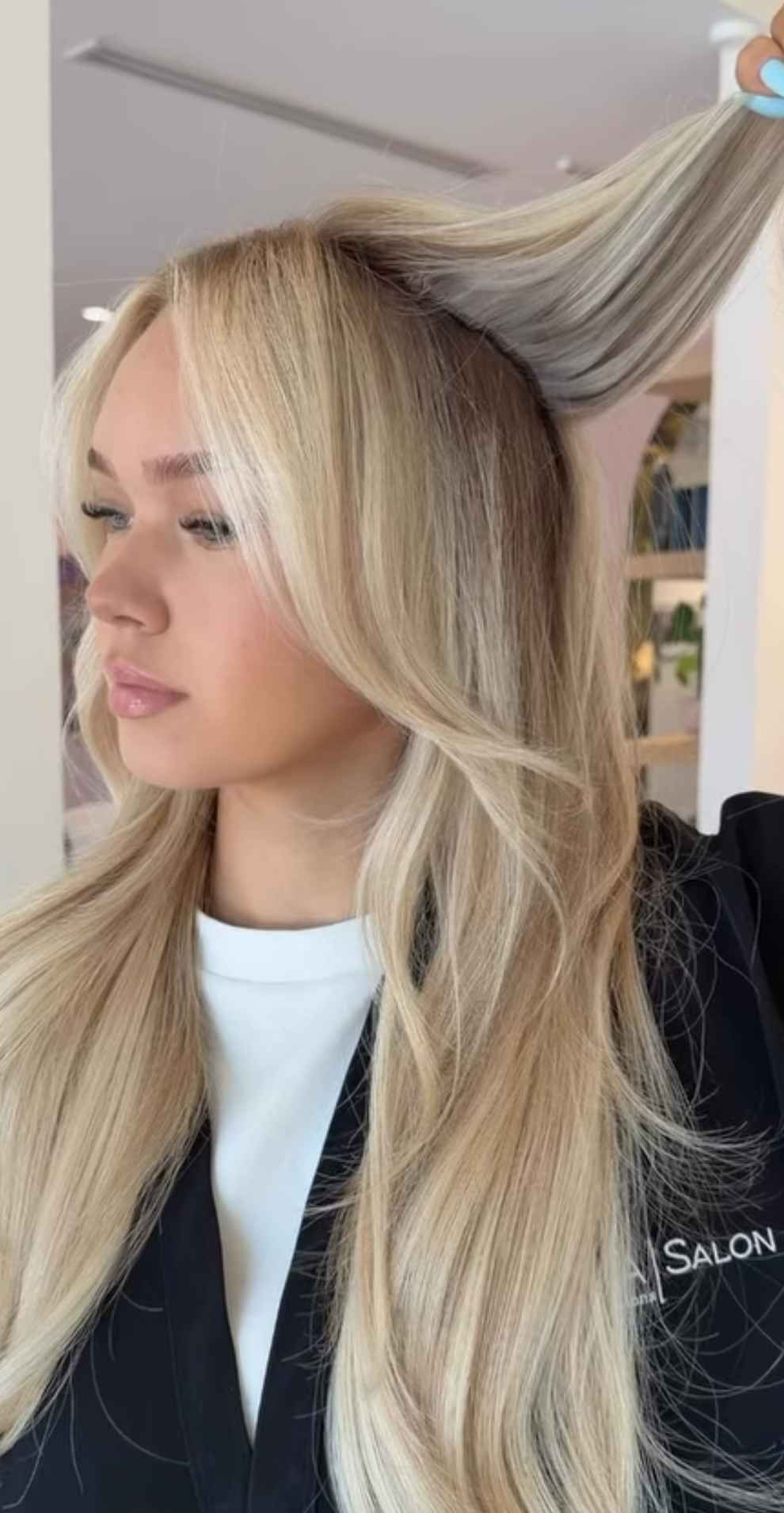
Most color “fails” don’t happen because the formula was wrong, they happen because the plan was never fully agreed on. If you want a result you’ll still love in Houston humidity, the smartest move is walking into your consultation with the right questions and your full hair color history.
At Studio A Salon in Houston, we often find that the biggest source of color disappointment isn't the formula itself—it's unclear expectations during the consultation. The most successful color appointments start with an honest discussion about hair history, maintenance goals, lifestyle, and what's realistically achievable while protecting hair integrity.
Why These Questions Matter Before You Color in Houston
Inspiration photos can be misleading because they rarely show the starting color, the previous color work, or the multi-session plan behind the final look. Asking direct questions upfront creates realistic expectations and prevents the common “why doesn’t mine look like that?” moment.
Surprise costs and time overruns usually come from unspoken steps like extra bowls of lightener, a second toner, or an added root smudge. When you clarify appointment length, number of visits, and maintenance cadence, you protect your schedule and your budget.
Damage is typically the result of a mismatch between the goal and your hair’s condition. A good colorist will factor in hair integrity, texture, porosity, elasticity, and any breakage before choosing bleach, a gentler lightener, or a more conservative approach.
Houston adds its own variables. Humidity, sun exposure, and frequent washing after workouts can shift tone, speed fading, and make brassiness show up faster than clients expect.
Bring the Right Info to Your Consultation
Your stylist can only formulate accurately if they know your full history. Be ready to share every detail of your hair color history, including box dye, salon color, bleach, toners, and any keratin or smoothing treatments.
Bring 2 to 3 inspiration photos plus one “don’t want” photo. The “no” photo is often the fastest way to define boundaries around warmth, contrast, brightness, and placement.
Start With a Consultation: Questions That Set the Plan
Ask whether a dedicated consultation is included or booked separately before the service. For major changes or any color correction, a separate consult often leads to better planning and fewer surprises.
Ask how your stylist evaluates hair integrity before choosing a formula. You want to hear specifics like checking elasticity when wet, porosity through mids and ends, and looking for breakage around the hairline and crown.
Confirm whether a strand test or patch test is recommended for your situation. A strand test can prevent a predictable disaster with previous color, and a patch test matters if you’ve had scalp sensitivity or any past allergic reaction.
Ask what “success” looks like for your goal. Have them describe tone, dimension, brightness, blend, and grow-out in plain language, not just “ashy” or “natural.”
Ask to See Proof of Similar Work
Request a portfolio with before and after photos on similar starting levels and textures. Someone who nails bright blondes on natural level 7 hair may not be the right match for a level 2 brunette with old box dye.
Ask who will perform each step and who checks the final tone. It’s normal for an assistant to help, but you should know who is applying lightener, who is mixing the toner, and who signs off at the bowl.
Shade and Technique: Make Sure the Color Fits You
Ask which shades suit your skin tone and undertone, and why. A great colorist can explain the difference between warm tones, cool tones, and neutral options using your features, not a generic chart.
Ask which technique matches your goal: balayage, highlights, lowlights, gloss, root shadow, or color melt. Technique determines not only the look, but also how obvious your regrowth will be at week 6, 10, or 14.
Ask how the color will look in different lighting and how it will fade. Salon lighting is flattering, but you live in car mirrors, office fluorescents, and Houston sun.
Ask if your natural base and texture will change the final result compared to the inspiration photo. A natural base with strong warmth underneath will reflect differently than a cooler base, even with the same toner.
If you’re deciding between balayage and traditional foils, read our breakdown on choosing the right technique for dark hair in Houston: this comparison of hand-painted color vs. foiled dimension.
Permanent vs. Demi-Permanent vs. Semi-Permanent
Ask which type is best for gray coverage, shine, and fade pattern. Permanent hair color is often best for stronger gray coverage, while demi-permanent hair color can be ideal for blending, toning, and shine with a softer grow-out.
Ask how each option impacts future lightening and correction. Semi-permanent hair color can be lower commitment, but it can still stain porous hair and complicate your next lightening session.
Hair Health and Safety: What Your Hair Can Handle
Ask what level of lift is realistic in one session given your current level and prior color. If you have previous color, especially dark dye, your stylist may need multiple sessions to lift without pushing your hair past its limit.
Ask about bond builders and protective steps, and whether they’re included in price. A bond builder can reduce damage during lightening, but it’s not the same as a deep conditioning treatment, so ask what’s being used and why.
Ask what could go wrong and what the backup plan is. A professional answer includes risks like brassiness, banding from old color lines, unexpected warmth from underlying pigment, and the possibility of stopping early to avoid breakage.
Ask if scalp sensitivity, allergies, or shedding concerns change the approach. If you’ve ever reacted to dye, you want a plan that prioritizes safety, including a patch test and product selection.
The American Academy of Dermatology also recommends discussing allergies, scalp sensitivity, and hair condition before any chemical service. Reviewing these hair coloring and perming safety tips can help you better understand the questions to ask before your appointment.
We often work with professional lines like L’Oréal Professionnel because consistency matters when you’re balancing lift, tone, and hair integrity. That said, the brand matters less than the plan and the hands applying it.
If You’ve Colored at Home or Have Hard Water
Ask whether mineral buildup or metallic salts could affect lightening and tone. Hard water can cause uneven lift and stubborn warmth that reads as brassiness, even when the formula is correct.
Ask if a clarifying or chelating treatment is needed before coloring. A clarifying shampoo can remove product film, while a chelating treatment targets mineral buildup that can interfere with bleach and toner performance.
If you suspect your water is working against you, see our deeper explanation of how local water quality can change the way hair looks and feels.
Cost, Timing, and What’s Included (So There Are No Surprises)
Ask for an itemized estimate. It should separate base color, lightening, toner or gloss, root smudge or root shadow, haircut, styling, and any treatments.
Ask how long the appointment will take and what could extend it. Common variables include extra bowls, additional toning, processing time, drying time before a second gloss, and whether your hair needs section-by-section saturation.
Ask about deposits, the cancellation policy, and the redo or adjustment policy. A reputable salon will explain what’s considered an adjustment versus a new service, and the timeframe for contacting them.
Ask whether the quote assumes one visit or a multi-appointment transformation plan. Going from dark to light often requires staged sessions, even when the end goal is clear.
Budget vs. Maintenance Reality Check
Ask what the lowest-maintenance option is that still fits your vibe. Lived-in color, softer contrast, and strategic face-framing can give you impact without locking you into frequent root touch-up visits.
Ask how often you’ll need to return for roots, toner refresh, or highlight refresh based on your lifestyle. If you can only come in every 12 to 16 weeks, that should shape your technique choice from the start.
Upkeep at Home: Products, Washing, Heat, and Houston Humidity
Ask how soon to wash after coloring and whether to arrive with clean or day-old hair. For many services, clean hair without heavy styling product is ideal, but your stylist may prefer slightly day-old hair for scalp comfort during lightening.
Ask for a simple routine: color-safe shampoo, conditioner, mask schedule, and a heat protectant. A tight routine you’ll actually follow beats a 10-step plan that lives in a cabinet.
Ask about toning products like purple shampoo and how often to use them. Overuse can cause dullness or a muddy cast, especially on porous ends.
Ask how humidity and frequent workouts affect frizz, fading, and styling choices. If you wash often, you may need a gentler cleanser, cooler water, and more frequent gloss services instead of repeatedly chasing tone at home.
If you want season-specific care that fits Houston heat, our team also shares product guidance in these Kérastase-focused summer haircare notes.
Make the Color Last Longer
Ask about water temperature, wash frequency, and UV protection for Houston sun exposure. Hot water and daily washing strip tone faster, and UV can shift blondes warmer and coppers duller.
Ask what to avoid: clarifying shampoos too often, high heat, chlorine, and saltwater without protection. If you swim, ask for a pre-swim rinse plan and a barrier product recommendation.
Examples: How to Translate Inspiration Photos Into a Real Plan
Example 1: dark brunette to cool blonde often requires multiple sessions, toners, and integrity checkpoints. A good plan may include a first session focused on safe lift, a second session to refine brightness, and a final tone adjustment once the canvas is even.
Example 2: warm copper can be a single-visit change, but it needs gloss refreshes and fade management. Copper molecules can fade quickly with frequent washing, so planning for a gloss every few weeks can keep it rich without repeatedly re-coloring the whole head.
Example 3: gray blending vs. full coverage changes technique, the grow-out line, and visit frequency. Gray blending often uses highlights and lowlights for softness, while full coverage leans toward single-process color and a more obvious regrowth line.
Use “must-have / nice-to-have / deal-breaker” to align on tone, brightness, and placement. This keeps the conversation grounded when the inspiration photo includes filters, extensions, or styling that changes the perception of color.
A Quick Script You Can Use in the Chair
Ask: “What’s realistic today, and what would take 2 to 3 appointments?”
Ask: “If I can only come in every X weeks, what technique would you recommend?”
Common Mistakes to Avoid Before a Color Appointment
Hiding box dye or previous lightening changes the formula and the risk profile. Your stylist isn’t judging you, they’re trying to avoid banding, uneven lift, and avoidable breakage.
Overpromising based on one photo instead of your starting point leads to disappointment. The starting level, porosity, and past color determine what’s possible in one session.
Skipping the maintenance conversation is the fastest way to regret a color you initially loved. Roots, toners, glosses, and aftercare are part of the service, not an optional add-on.
Using the wrong prep can sabotage results. Heavy oils, product buildup, or last-minute chemical treatments can interfere with even saturation and predictable processing.
When to Reschedule Instead of Powering Through
If your scalp is irritated, you have active sunburn, or your hair is breaking significantly, reschedule. Coloring over a compromised scalp raises the risk of discomfort and uneven results.
If you’re unsure about a major change and haven’t agreed on a phased plan, pause. A confident “not yet” is cheaper than a rushed color correction.
Houston-Specific Tips: Finding the Right Colorist and Planning Visits
Ask if the salon has experience with Houston’s hard water, humidity, and high-UV conditions. These factors affect tone, longevity, and which aftercare actually works.
Choose service areas that fit your schedule, like Midtown, Montrose, The Heights, River Oaks, or the Galleria. Convenience matters because maintenance only happens when it’s realistic.
Plan around events and weather. Give yourself buffer time before weddings, travel, and outdoor seasons, especially if you’re going lighter and may need more than one appointment.
If you’re new to Houston, use reviews and portfolios to compare specialties like blonde work, brunettes, vivid shades, and gray blending. At Studio A Houston, we’d rather set a clear plan in the consultation than promise a one-day transformation that compromises hair integrity.
If you’re considering booking in The Heights, you can also get a feel for our approach in this overview of what the Studio A Houston experience is like.
Local Landmarks to Reference for Service Areas
Near Westheimer Rd, Rice Village, Memorial Park, and Downtown Houston are helpful reference points when you’re coordinating timing. Easier parking and a shorter commute often lead to more consistent root touch-up and toner refresh appointments.
FAQ: Quick Answers Before You Book
What should I do before getting my hair dyed at a salon?
Bring inspiration photos plus a “don’t want” photo, and be honest about your full hair color history, including box dye and any previous color or bleach.
Skip heavy oils and product buildup, and ask your stylist whether to arrive with clean or day-old hair based on the service.
Can I dye my hair if I have telogen effluvium?
Often yes, but it depends on shedding severity and scalp sensitivity.
Ask your stylist to avoid aggressive lightening, consider gentler demi-permanent hair color, and check with a clinician if you’re seeing sudden or severe shedding.
Is Josh Wood’s hair color good?
It can be a solid at-home option for small changes or maintenance, especially if you’re staying near your current level.
For major changes, controlled lightening, or any color correction after box dye, salon color offers customization, predictable processing, and safer decision-making.
What are 5 key questions to ask when formulating a hair color?
Ask about your starting level and undertone.
Ask about your target level and tone, your gray percentage and gray coverage goal, how previous color and porosity affect the formula, and what maintenance looks like (toner, products, and revisit schedule).
If you’re pairing color with a shape change, consider planning it together so the placement complements your cut. Here’s a helpful read on why long layers can transform movement and dimension.
Posted on 06/05/2026 at 09:04 AM


