
Hair Gloss in Houston: What It Does and When to Book One

Half the people who ask me for a gloss want something specific. Their blonde has gone yellow, or their brown looks flat in photos, and somebody told them a gloss fixes it. The other half heard the word from a friend and just want their hair to look like it did the week after their last color appointment. Both are good reasons. A hair gloss in Houston earns its place on the menu because our weather is so hard on color, and it’s the quickest way I know to get that color back. What a Hair Gloss Actually Does A gloss is deposit-only color. It doesn’t lift or lighten anything. It sits on the outside of the strand, smooths the cuticle, and adds tone and shine. Most glosses are acidic and ammonia-free, which is why they’re gentle enough to use between bigger color appointments. Depending on the formula, a gloss can: What it won’t do is take you lighter. If you want brighter, that’s a lightening service, and a gloss usually comes after it to finish the color. Gloss vs. Toner vs. Permanent Color These get mixed up constantly, partly because salons use the words differently. At a lot of salons, including ours, gloss and toner are the same line on the menu. The difference is mostly about why it’s being used. Toner is the step after lightening. Bleached hair comes out of the foils warm and a little raw, and toner sets the final shade, whether that’s icy, beige, or honey. Gloss is the broader term. It can be that toning step, or it can be a standalone visit for someone who wants shine and a tone correction with no lightening at all. Permanent color is different chemistry. It opens the cuticle, works inside the hair, and can change your level or cover gray completely, and it grows out with a visible line. A gloss fades gradually and never leaves a regrowth line. That’s why so many people use it as a low-commitment way into color. How Long a Gloss Lasts in Houston Most stylists will tell you four to six weeks. Here, I’d plan on three to five. Humidity swells the hair and lets deposited color slip out faster. Our tap water is hard, and mineral buildup dulls the shine a gloss just put there, which is its own topic in what Houston’s hard water does to hair color. Then there’s how often you wash. Somebody shampooing daily because it’s 94 degrees out will lose a gloss about twice as fast as somebody washing twice a week. A few things help it hold on: Who a Gloss Is Good For Blondes are the biggest group. Lightened hair is porous and loses toner first, so a blonde that looked perfectly beige in August can look like straw by October. A gloss between highlight appointments resets it without another round of lightener. If you’re on a foils or balayage schedule, I usually suggest one gloss at the midpoint, and our hair highlights guide covers how that schedule works. Brunettes get more out of it than they expect. Dark hair that’s never been colored can look a little matte, and an espresso or chocolate gloss deepens it and adds real shine with no lift. It’s the service I recommend most often to people who have never colored their hair and are nervous about starting. Red fades faster than any other color, so anyone wearing copper or auburn should plan on a gloss between color services. We get into that with the deeper shades in fall hair colors for Houston. A gloss won’t cover gray, but it does soften early grays so they blend into the rest of your hair. For a lot of clients that buys a year or two before they’re ready to commit to full coverage. What Happens at the Appointment It’s one of the shortest color services we do. We shampoo, towel-dry, and apply the gloss, and it processes for about 20 minutes. Then we rinse, condition, and style. Plan on about an hour, longer if you’re adding a cut. Your stylist mixes the shade for you, and that matters more than people think. The right formula for a warm blonde is very different from the right formula for a cool one, and a mismatched gloss can make brass worse. If you’ve ever had a reaction to hair color, say so up front. The FDA recommends a patch test before any hair dye, including the gentle ones. How Often to Book One If a gloss is your main color service, book it every four to six weeks. If you’re also getting highlights or balayage, one gloss between those appointments is usually enough. If you’re not sure where it fits, our post on how long to wait between hair color appointments walks through the timing. You can add a gloss to a cut or book it on its own. It’s listed with the rest of our hair color services, and our colorists, David Armendariz included, will tell you straight whether a gloss will fix what’s bothering you or whether you need something more. Call 713-859-1591 or book online. Hair Gloss FAQs Does a hair gloss damage your hair? Not in any meaningful way. Glosses are deposit-only and usually acidic, so they don’t lift the cuticle the way lightener or permanent color does. Most people’s hair feels smoother afterward. Can a gloss lighten my hair? No. A gloss only deposits tone. The extra shine can make hair look brighter, but it won’t change your level. How long does a hair gloss last in Houston? Usually three to five weeks here. Humidity, hard water, and frequent washing all shorten it. Fewer washes and a sulfate-free shampoo help it last longer. Is a gloss the same as a toner? Close. Toner is the term for setting the shade right after lightening. A gloss can do that job, or it can be its own appointment for shine and tone with no lightening. Will a gloss cover gray hair? Not fully. It blends and
Fall Hair Colors in Houston: Blonde and Brunette Shades for Humidity
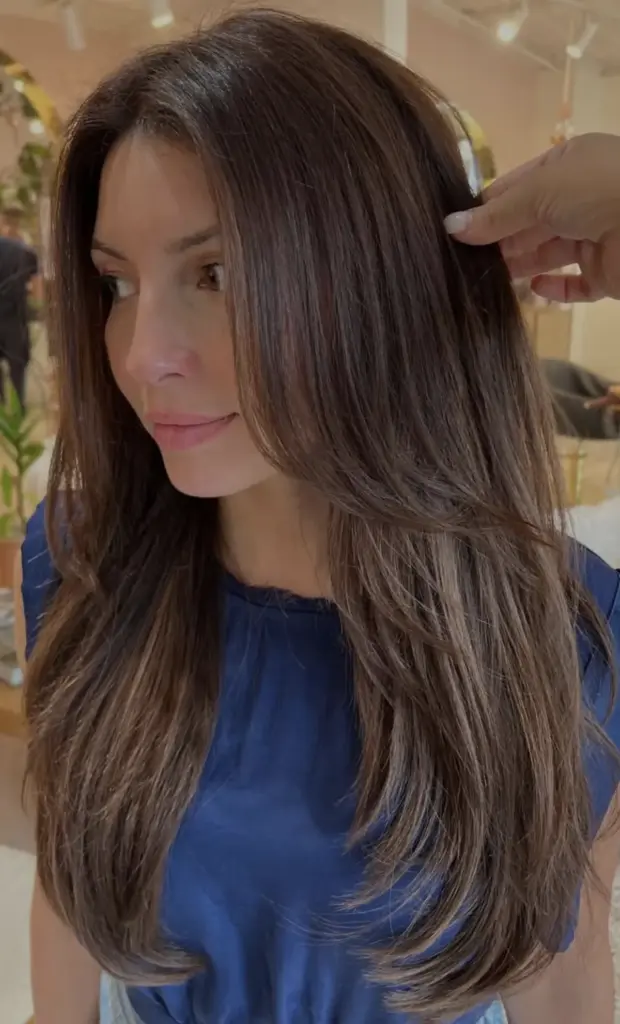
Every September someone sits in my chair with a phone full of photos. Deep auburn, cinnamon brown, a cool mushroom blonde, all shot against red maple leaves and a wool coat. I love those photos. They were also taken somewhere it’s 55 degrees and dry, and here it’s still 92 with the air hanging onto every bit of moisture it can find. So when we talk about fall hair colors in Houston, we’re really talking about color that reads as autumn while it lives through what is basically a longer summer. That doesn’t mean skipping the change. It means picking tones that can handle humidity, sun, and a couple more months of sweating on the walk from the car. What Houston Weather Does to Hair Color Humidity opens the cuticle. Moisture from the air works its way into the hair shaft, the outer layer swells, and color has an easier way out. Add UV that doesn’t really ease up until November, maybe a last pool weekend or two, and you get fading and brass at the same time. Blondes see it as yellow. Brunettes see it as orange, or that flat reddish cast that shows up around week five. Cool tones take the biggest hit. Ash, icy, anything held in place with a lot of blue or violet toner. Those tones sit near the surface and they’re the first to leave. Warm and neutral shades fade too, but they fade into something that still looks like you meant it. Fall Hair Colors for Houston Blondes For blondes who want the season to show, I’ll usually steer you a little warmer or a little deeper. A few that hold up well here: Icy platinum in October is doable. Just know it’ll need a toner refresh every four to six weeks here, and purple shampoo becomes a regular part of your week. Maria Armendariz handles a lot of our blonde transformations and is very good at finding the shade that feels like fall without going muddy. Fall Hair Colors for Houston Brunettes Brunettes have an easier time of it, honestly. The warmth is already in the base, so the work is about depth and shine. Chestnut and milk chocolate are the ones I do most this time of year. A glossy mid-brown with a little gold or red in it looks seasonal without looking like a costume. If you like some brightness, caramel balayage over a darker base works well as long as we keep the contrast soft, so the lighter pieces don’t go orange by Thanksgiving. Mahogany and cherry cola are gorgeous on the right skin tone. Red fades fastest of any color, though, so plan on a gloss halfway through. And if you’ve never colored at all, a clear or espresso gloss on natural dark hair is a nice first step. No lift. Just richer color and a lot more shine. For dimensional brown work, David Armendariz has been doing it for years and has a good eye for how warm is too warm. Keeping Your Color Through a Houston Fall A gloss or toner at six to eight weeks does more than anything you’ll do at home. Between visits: If frizz is what makes your color look dull, a smoothing treatment helps seal the cuticle so the tone stays put longer. Timing matters too. Houston’s first strong cold front usually comes through in late October, and some years it holds off until November, so late September through mid-October is a good window. Your color settles in, and by the time the weather catches up, it already looks lived-in. Bring your inspiration photos, and bring one of your hair in daylight too. You can look through our full hair color services before you book, and we’ll figure out which of these fall hair colors in Houston light will look like the picture in your head. Fall Hair Color FAQs What fall hair colors work best in Houston’s humidity? Warm and neutral shades. Honey and golden beige for blondes, chestnut and milk chocolate for brunettes. They fade softly instead of turning yellow or orange, which matters when fall here still means heat and humidity into November. How long does fall hair color last in Houston? Most color looks its best for six to eight weeks here. Cool tones like ash and icy blonde tend to shift sooner, often around week four, so plan on a toner or gloss in between if that’s your shade. Should blondes go darker for fall? You don’t have to. A shadow root or a slightly warmer tone gives you a fall look while keeping most of your brightness. Going a full level darker into bronde is an option if you want a bigger change. Does red hair color fade faster in humidity? Yes. Red fades faster than any other color, and humidity and sun speed that up. If you want mahogany or cherry cola this fall, book a gloss about halfway between color appointments. When should I book fall hair color in Houston? Late September through mid-October. That gives your color a few weeks to settle before the first real cold front, which usually shows up late October or into November.
Bridal Hair Trial: How to Plan Yours in Houston

Every bride who sits in my chair asks some version of the same question: do I actually need a trial, or can I just show her a few pictures the morning of? Here’s the honest answer. A bridal hair trial is the only appointment that tells you, ahead of time, whether the style you’re picturing actually works with your hair, your dress, and Houston weather. Everything else is a guess. I’ve done trials for brides getting married in a backyard in the Heights, brides doing a formal ballroom thing downtown, brides who wanted loose waves and ended up walking down the aisle in a sleek low bun because the waves fell flat within an hour. That last one only got caught because we tested it in advance. Nobody wants to find that out on the wedding morning with a photographer waiting. Why a Bridal Hair Trial Matters More Than You’d Think A trial isn’t just a preview. It’s a working session. We’re figuring out how your hair behaves when it’s actually styled the way you want it for the day, not a rough sketch of it. Thickness, growth pattern, how your hair holds a curl, whether extensions make sense for the volume you’re after: all of that gets worked out at the trial, not guessed at two hours before the ceremony. If you’re considering extensions for length or volume, the trial is where that decision gets made. Trying them for the first time on your wedding morning is not the move. When to Book It Book your bridal hair trial two to three months out from the wedding. That gives enough runway to adjust if the first attempt isn’t quite right, without being so far out that your hair changes on you. Color fades, ends get trimmed, life happens. Book too early and you’re trialing hair that won’t be the same hair on the actual day. Spring and fall are our heaviest bridal stretches, so if your date falls in either window, don’t wait until the last minute to grab a slot. Our bridal calendar tends to book out early those months, and a rushed trial squeezed in between other appointments isn’t the one we want you to have. One trick worth doing: schedule your trial around the same time of day as your ceremony call time. Morning hair behaves differently than hair that has to survive a 6pm outdoor reception. If you can, test it at the hour it’ll actually matter. What to Bring Show up with more than a folder of Pinterest saves. Bring the things that actually shape the decision: If the dress hasn’t arrived yet, a clear photo of the neckline is enough to work from. Necklines change where an updo should sit more than people expect. A deep V calls for something different than a high neckline with sleeves. How Long a Bridal Hair Trial Takes Plan for 60 to 90 minutes. Extensions or heavier curl work can run longer, closer to two hours. We usually take photos from the front, back, and both sides so you can study the style away from the mirror. Looking at photos later, away from salon lighting, tends to be a more honest gut check than staring at your reflection up close. Planning for Houston Humidity This is the part a lot of bridal guides skip past, and it’s the part that decides whether your style survives the day. Houston humidity does not care how well a trial went in a climate-controlled salon. If your ceremony or photos are outdoors, even partly, tell your stylist upfront. The style needs to be built for hold, not just for how it photographs in a mirror. Ask what products were used on your trial hair and whether a travel-size version comes home with you. A small kit with pins, finishing spray, and a compact mirror is standard for a reason. And talk through how your specific style holds up over hours; a loose wave and a structured updo behave very differently by hour six of a July wedding versus a cooler evening in December. The Knot’s guide to wedding hair and makeup trials covers general trial etiquette if you want a broader planning reference, but humidity planning is where local experience actually earns its keep. Bring your questions to the trial. That’s what the appointment is for, and it’s a lot easier to fix a style now than to problem-solve it while your photographer is waiting.
Finding a Curly Hair Stylist in Houston: What to Look For
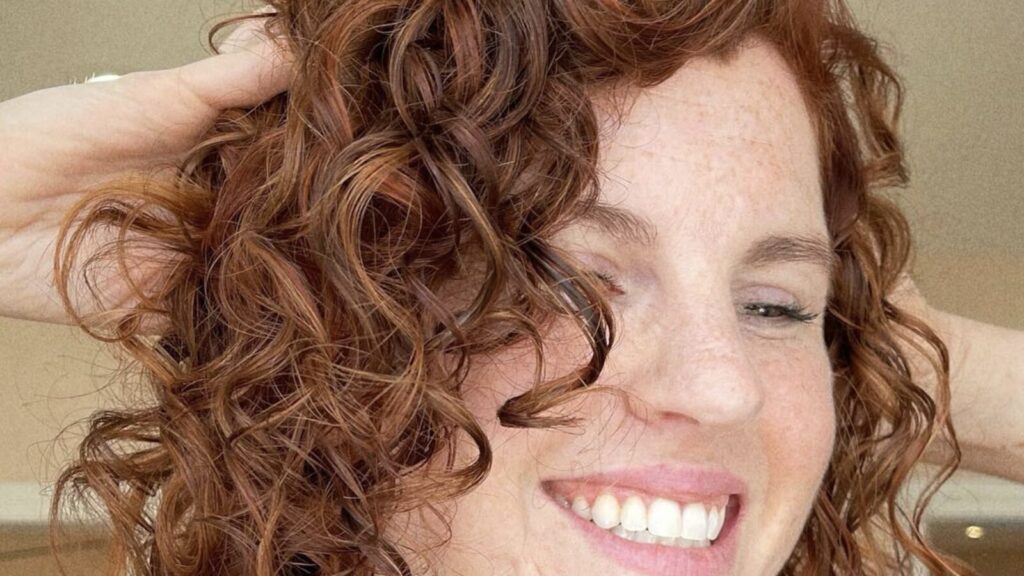
Most people with curly hair in Houston have a stylist story they’d rather forget. The cut looked fine in the chair, wet and combed straight down. Two days later it dried into a shape nobody asked for, with a shelf of weight sitting right where the layers stopped. That’s not bad luck. It’s what happens when someone cuts curly hair the same way they’d cut straight hair, in a city where the air is working against you the whole time. Why curly hair is harder here Curl pattern reacts to moisture in the air, and Houston has plenty of it. The National Weather Service climate records for Houston show relative humidity staying high through most of the year, not just in August. Hair swells. Frizz shows up at the crown first. Definition is gone before you’ve made it to lunch. Then there’s the water. Houston’s supply runs hard, and mineral buildup coats the hair shaft over time. On curls that means strands that feel coated but still look dry, curls that stop clumping the way they used to, and product that sits on top instead of soaking in. We covered what that does to color in this piece on Houston hard water. The same minerals wreck curl definition just as fast. A stylist who doesn’t account for either one is cutting and styling your hair for a climate you don’t live in. The choice nobody should have to make Here’s where most curly clients in Houston end up. You find a curl specialist who gets your texture and cuts it well. Then you want to go lighter, or you need a color fixed, and you get sent somewhere else. Now two stylists who have never spoken to each other are making decisions about the same head of hair. Lightening is where this gets expensive. Curl pattern is fragile at the bends in the strand, and aggressive lifting can loosen or damage it for good. A colorist who lightens all day but rarely touches curls will overreach. A curl specialist who doesn’t lighten will play it safe and leave you flat. We think curl and color belong in the same conversation, with the same person, on the same day. That’s why we point curly clients toward Maria Armendariz. Thirty-plus years behind the chair, retired from owning her own salon, and her specialty is curly and blonde transformations specifically. Lightening dark hair without losing the curl is the exact thing most salons split into two appointments. She’s also certified in Brazilian Blowouts, so if you ever decide you want the texture softened instead of enhanced, you’re talking to someone who can give you a straight answer rather than sell you the one service she knows. She works in English and Spanish, which matters more than it should have to in this city. Why there’s no price listed Curl and silk press services here are quoted at consultation instead of off a menu. That isn’t us being cagey. Curl work swings wildly depending on density, length, pattern, and what shape the hair is in when you walk in. A 3a bob and a shoulder-length silk press on dense 4b hair are not the same appointment and shouldn’t cost the same. Everything else is published on our haircutting and styling menu. Book the consultation first. Bring photos of your hair on a good day and on a bad day, not just inspiration shots of somebody else’s texture. Questions worth asking before you book anyone These hold up whether you come to us or not. Someone who has answers ready has done this a lot. Someone who gets vague is about to cut your hair like it’s straight hair with a wave in it. What we see go wrong most often Adding layers when the real problem is weight. Flat on top, wide at the bottom usually doesn’t need more layers cut into it. It needs the weight moved. Fighting frizz with heavier product. In Houston, buildup causes a lot of the frizz people blame on their hair. Piling a richer cream on top of existing buildup makes week three worse than week one. Using a silk press as an escape hatch. It’s heat, and repeated high heat loosens curl pattern over time. Great occasional service. Bad long-term plan. If what you actually want is lasting smoothness, that’s a different conversation, and we broke down the two main options in Brazilian Blowout vs. keratin treatment. Skipping the scalp. The American Academy of Dermatology has practical guidance on curly hair care, and scalp is the step people drop first. If you’re thinking about color Our colorists are certified Wella Master Color Experts, and lightening decisions get made with your curl pattern in mind instead of dealt with afterward. More on how we approach it is on our color and chemical services page. Houstonia Magazine named Studio A best of curls. We’d rather earn it in the chair than lean on it, but it’s there. Questions we get a lot Should I style my hair before I come in?Come in with it how it normally looks. Clean and dry in its natural state tells us the most. Don’t straighten it first. Can you handle my texture?Call ahead or send photos if you’re not sure. We’d rather tell you honestly up front than have you sit down and find out we’re not the right fit. How often do I need a curly cut?Longer between visits than straight hair, usually. Your stylist should give you a number based on your shape, not a generic rule. Where are you?803 Usener St., Suite 300, in Woodland Heights, one block north of I-10 off the Taylor Street exit. More about the salon and the team is on our About page. Ready to book? Call 713-859-1591 or book a curl consultation online.
Brazilian Blowout vs. Keratin Treatment: What Actually Works on Houston Hair
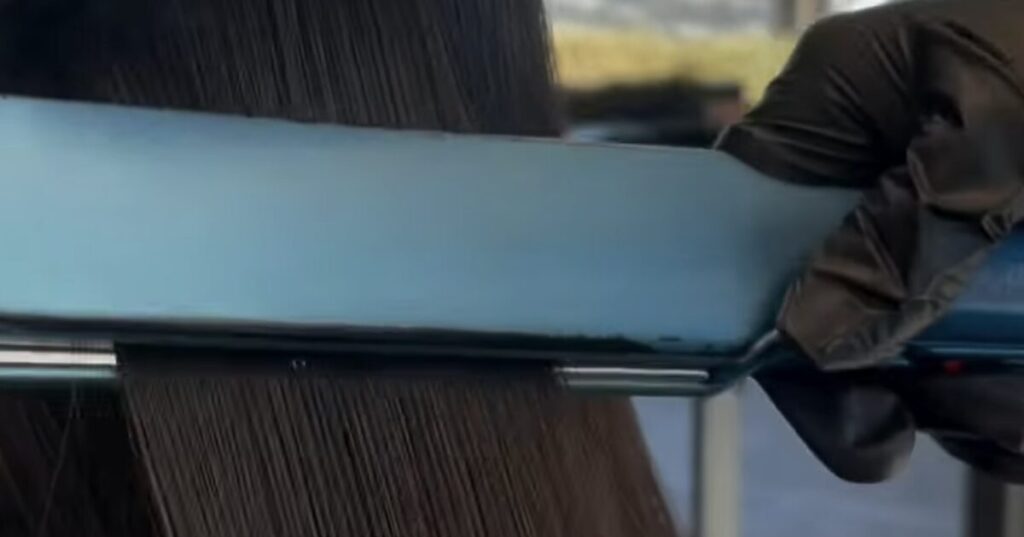
The smoothing calls start in September. Every year, without fail. By then Houston summer has had four months to work on people’s hair, the blow-dry lasts about eleven minutes before it swells, and the question comes in some version of this: is a Brazilian blowout Houston salons offer the same thing as a keratin treatment? No. They get used interchangeably in conversation, and they behave differently on the head, on the calendar, and on color-treated hair. Here’s the version we give clients in the chair. What a Brazilian blowout Houston stylists perform does to the hair Brazilian Blowout is a brand, not a category. The system applies a liquid amino acid solution to damp hair, which then gets blown dry and flat-ironed in small sections at high heat. The heat isn’t a finishing step. It’s what drives the chemistry. As the iron passes through, the solution forms crosslinks with the hair’s own protein and leaves a smoothing layer bonded around each strand. What it doesn’t do is permanently break disulfide bonds. That’s a relaxer, and it’s a different service with different consequences. A Brazilian blowout works largely on the cuticle and the hydrogen bonds, so curl comes back looser and softer rather than disappearing. Wave stays wave. It just stops swelling the second you walk outside. What a keratin treatment does differently A keratin treatment uses hydrolyzed keratin plus an acid carrier, sealed in with the same flat-iron heat. The protein deposits deeper into a porous cuticle and fills gaps, which is why keratin does more actual straightening than a Brazilian blowout does. On coarse or very curly hair, a keratin treatment can drop the curl pattern noticeably. On fine hair it can drop it too much and leave the hair flat. That deeper deposit is also why keratin asks more of you afterward. If you want the room-by-room walkthrough, we covered it in what to expect during a keratin treatment appointment. How long each one lasts, and how each grows out A Brazilian blowout runs about ten to twelve weeks. A keratin treatment runs three to five months, sometimes longer on hair that isn’t washed daily. The grow-out matters more than the number. Brazilian blowout fades from the ends inward and gets progressively less effective without leaving a visible ledge at the root. Keratin holds harder and longer, so on tightly curled hair you can see where the treated section starts, especially around month four. It softens rather than snapping like a relaxer line, but it’s visible. If you have a wedding, a move, or a stretch where you can’t get back in the chair, that difference is worth thinking about. Aftercare, where the two services separate most A Brazilian blowout can be washed the same day. You leave, you shower that night, nothing collapses. A keratin treatment needs a wait, generally 24 to 72 hours depending on the formula. During that window: no ponytail, no clips, no tucking behind the ears, no headbands. A crease set in during that window can stay set. Both need sulfate-free shampoo, and this isn’t a product upsell. Sulfates strip the deposited protein and the crosslinks along with the oil. Sodium chloride does the same thing, so read the back of the bottle, not the front. Houston water is the other half of aftercare that nobody warns people about. Mineral buildup shortens the life of a smoothing treatment the same way it dulls color, which we broke down in what Houston hard water does to hair color. A shower filter buys you weeks. Color-treated and bleached hair Order of operations: color first, smoothing second, in that sequence. A Brazilian blowout can typically follow a color service the same day. Keratin is more particular, and it can shift tone slightly, usually lifting about half a level and softening fashion tones and vivids faster than you’d like. Bleached hair is its own conversation. Highly lifted hair is porous and structurally compromised, and the flat-iron pass on a smoothing service runs hot. Sometimes we lower the iron temperature. Sometimes we push the smoothing out and do a bond-repair series first. That call happens at the consultation, not at the shampoo bowl, and it’s part of how we approach every chemical service. Which is better, a Brazilian blowout or keratin? Neither is better in the abstract. They solve slightly different problems. Choose a Brazilian blowout if you want to keep your curl or wave and just want it to behave, if you can’t take a wash-free 72 hours, if your hair is fine and you don’t want it flattened, or if you color often and want the shorter interval between services. Choose keratin if your hair is coarse, dense, or tightly curled, if you want real straightening and a shorter blow-dry, or if you’d rather come in three times a year than five. If your main complaint is frizz in August rather than curl, we went deeper on that in our keratin treatment guide for Houston humidity and frizz. Is a smoothing treatment actually good for your hair? Straight answer: it’s neutral to mildly beneficial for the strand and worth asking questions about for your lungs. Structurally, a sealed cuticle means less mechanical damage, because you’re not fighting your hair with a brush and 400-degree iron every morning. That’s a real benefit and it compounds over months. The caveat is the chemistry. Many smoothing formulas release formaldehyde when heated, including some labeled formaldehyde-free, and the FDA has documented this directly. Ask what product is being used, ask what’s in it, and look at whether the salon is actually ventilated. Any stylist who gets defensive about that question is the wrong stylist. When neither treatment is the right call Skip both if your hair is currently breaking, if you’ve bleached within the last few weeks and haven’t rebuilt, if you have an inflamed or compromised scalp, or if you’re pregnant or nursing and haven’t cleared it with your doctor. Also skip if what you actually want is poker-straight hair on a tight curl pattern. Neither service will get you there, and chasing it with repeat applications is how people end up with damage. Booking a Brazilian blowout Houston appointment We consult before we commit to either service, in Woodland Heights, with your actual hair in front of us.
Why Houston’s Hard Water Is Ruining Your Hair Color
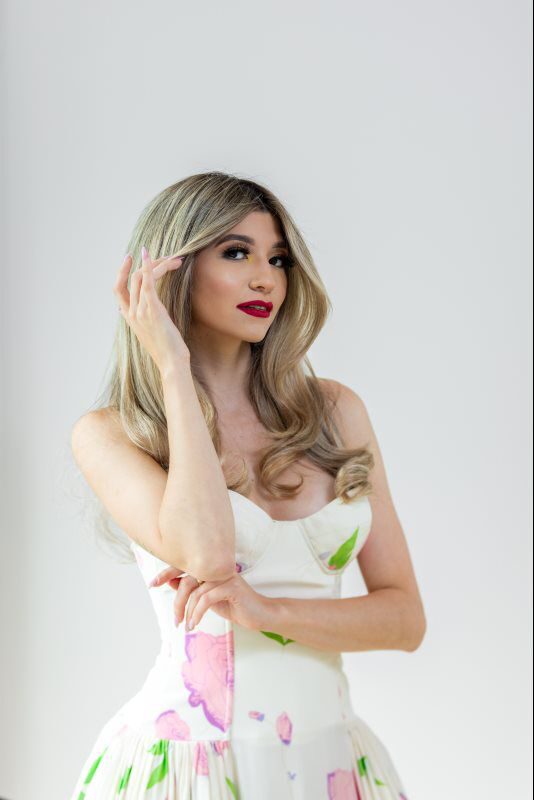
You walked out of the salon with the exact blonde you asked for. Three weeks later it reads brassy, feels rough near the roots, and won’t hold shine no matter which mask you buy. Before you blame your colorist, check your shower. Houston hard water is the most common reason color fades early in this city, and almost nobody warns you about it. Per Houston Public Works’ annual water quality report, average total hardness across the city runs around 137 mg/L, roughly 8 grains per gallon. That sits squarely in the hard range. Drive out toward Katy or Cypress and the numbers climb higher still. What “hard” actually does to color Hard water carries dissolved calcium and magnesium picked up from the limestone under our feet. Trace iron and copper come along too, especially through the older plumbing you’ll find across Woodland Heights, the Heights, and Montrose. Every shower leaves a microscopic mineral film on the hair shaft. One wash, nothing. Sixty washes, and you’ve built a layer that behaves like a screen sitting over your color. Here’s how that shows up: Everything goes dull. Shine depends on a smooth cuticle bouncing light back. Mineral deposits roughen that surface, so hair reads flat even when the color underneath is still perfectly good. Blondes pull orange. Iron and copper oxidize on the hair. On cool blondes and ash tones, that oxidation reads as brass or a faint rusty cast, and you’ll see it first around the hairline and through the ends. Brunettes go muddy. Rich chocolates start looking gray or dusty. The mineral layer flattens the reflect your colorist built into the formula. Toner disappears. Toner is the most fragile part of any color service. Buildup plus daily washing can strip it in two weeks instead of six. Conditioner stops working. Product sits on top of the film instead of penetrating, so the expensive mask you bought does even less than the drugstore one did. There’s a longer-term problem too. Show up to your next appointment carrying months of mineral load and color doesn’t take evenly. Your colorist is working through a barrier. This is one of the quiet reasons a formula that looked beautiful in January can go patchy by June, and a common thread in the cases that end up needing color correction. How to tell it’s your water That last one is the giveaway. If your fixtures are showing buildup, your hair is too. What actually fixes it Put a filter on your showerhead. Highest return of anything on this list, and the step most people skip. Thirty to sixty dollars, five minutes to install, cartridge swap every few months. It won’t strip hardness completely, but it pulls enough chlorine, iron, and copper that tone holds noticeably longer. Most clients see the difference within three or four washes. Use a chelating shampoo sparingly. Chelating shampoos bind minerals and lift them out, which is different from clarifying shampoos that mostly chase product buildup. Once or twice a month covers it. Weekly use will fade your color faster than the water was. Ask for a mineral removal treatment before your color. We do this in-house when the hair calls for it. Clearing the mineral layer first means the formula lands on clean hair and the result holds. If you’ve lived in Houston for years and never had one, bring it up at your next appointment. Rinse cooler, wash less. Hot water lifts the cuticle and invites more mineral in. Every wash you skip is a wash’s worth of buildup avoided. Two or three times a week is the sweet spot for color-treated hair. Skip the vinegar rinse. You’ll see it recommended everywhere. It does lift some mineral. It also pulls tone. Not a trade worth making on fresh color. The Houston stack Hard water alone is rough. Add our humidity, the summer sun, and chlorine from half the pools in the neighborhood, and color-treated hair is getting hit from three directions at once. It’s the same reason extensions need a specific maintenance routine here that they wouldn’t need in a drier climate. None of that means you can’t wear an icy blonde in this city. It means maintenance has to be part of the plan from day one, which is exactly what we map out during a consultation with one of our Houston colorist. Bring it in If your color keeps going brassy no matter what you buy off the shelf, stop swapping shampoos and let us look at the hair. Half the time the answer is a mineral removal treatment and a gloss, not a full redo. Book an appointment and we’ll figure out what your water is doing before it costs you another color service.
Hair Extensions in Houston Humidity: What Actually Holds Up
Most people asking about hair extensions in Houston have already had one bad experience. A client comes in with extensions installed somewhere else, and by week three the top layer looks smooth while the extension hair has puffed into something completely different. Or the wefts have slid an inch down and there’s a matted knot at the nape she can’t brush out. That’s usually not a client problem. Houston sits on the Gulf Coast, and from May through September the air holds moisture the way a wet towel does, which changes how extension hair behaves, how well the attachment points hold, and how often you realistically need to come back in. If you’re weighing hair extensions in Houston, the method matters less than most people assume, though it does matter, and a few options genuinely hold up better here than others. Here’s what we tell clients before they book. Why Humidity Is the Whole Problem Hair swells when it absorbs moisture. Your natural hair does it and so does the extension hair, but they don’t always do it at the same rate, and that’s where the trouble starts. Extension hair has been processed. Stripped, colored, and usually silicone-coated so it feels glassy in the package. That coating wears off after a handful of washes, and once it’s gone the cuticle underneath reacts to humidity on its own terms. Lower grades of hair react fast. That’s the mismatch you see around month two, where your hair looks fine and the extension hair looks frizzy and dull no matter how much oil you put on it. The second issue is weight. Damp hair is heavier hair, so attachment points that felt comfortable in an air-conditioned salon are carrying more load by the time you’ve walked to your car in August. Add sweat at the scalp, product buildup, and the mineral content in Houston’s water, and the bond area takes a lot more stress here than it would in a dry climate. How Each Method Handles Gulf Coast Air There’s no single winner. There’s a right answer for your hair, your budget, and how much salon time you’re willing to commit to. Tape-ins are the most popular option here, and for good reason. They’re flat, fast to install, and reusable. The tradeoff is that adhesive and heat aren’t friends, so sweat, oil, and steamy days all soften the bond. Clients who work out hard or spend their weekends outside tend to see slippage before the standard six to eight weeks are up. Tape-ins suit fine to medium hair well as long as you’re realistic about the move-up schedule, and they’re a poor fit for anyone washing every other day with an oily scalp. Hand-tied wefts get sewn onto a beaded track instead of glued, so there’s no adhesive to break down at all. That makes them one of the more humidity-stable choices we install, and the weft lies flat and moves the way most clients want it to. The catch is density. A hand-tied weft needs enough hair to hide the track and support the weight, and fine hair around the temples and hairline often can’t carry it. That’s a consultation question rather than a website question. [If your hair is on the finer side, our stylists will usually walk through options in person before recommending anything.] Beaded Wefts, Keratin Bonds, and Clip-Ins The remaining three options each solve a different problem, and none of them is a default. Machine-sewn and beaded wefts run thicker at the seam than hand-tied, but they’re stronger and often the better call for clients who want real volume. Same advantage in humidity, since there’s no glue involved, and the same requirement that you have hair that can carry it. Keratin bonds give you the most movement and the most flexible placement, which is genuinely useful for filling in around a face-framing layer. They also soften with heat, so blow-drying directly on the bond and long stretches of outdoor heat will both shorten their life. Bonds take the longest to install and the longest to remove. Clip-ins aren’t a long-term answer, but they’re the smartest option for a wedding weekend, a photo shoot, or a client who isn’t ready to commit to anything. Nothing sits on your scalp between wears, which means nothing pulls. What Actually Goes Wrong Here A few failure patterns show up over and over with hair extensions in Houston, and we see all of them at our Heights salon. Matting at the nape is the most common. The back of your neck stays damp longer than anywhere else on your head, so if you’re sleeping on wet hair or tying it up before it’s fully dry, that’s where the tangling starts. Texture drift is next. The extension hair loses its coating and begins frizzing on a different schedule than your own hair. Better-quality hair delays that, though nothing prevents it entirely. Slippage usually traces back to oil, or to conditioner applied too close to the root, or occasionally to a bond that was set on hair that wasn’t quite dry. Mineral buildup is the one people miss. Houston water leaves deposits that dull extension hair faster than they dull your own, because extension hair isn’t getting any oil from your scalp to protect it. If your extensions look grey-toned or feel coated, look at your water before you blame the hair. Quality of Hair Beats Choice of Method You can install a mediocre bundle perfectly and it will still look rough in six weeks. Good hair installed with a solid method will get you eight to twelve months with proper move-ups. Ask what hair your stylist uses and where it comes from, and ask whether the cuticle is intact and aligned. Cuticle-aligned Remy hair costs more up front, and it’s the single biggest factor in whether your extensions survive an August in this city. [We use ___ for most of our installs, because ___.] Cheaper hair is cheaper for a reason that shows up around week
Keratin Treatment in Houston: Is It Worth It for Humidity and Frizz? (A Stylist’s Honest Guide)

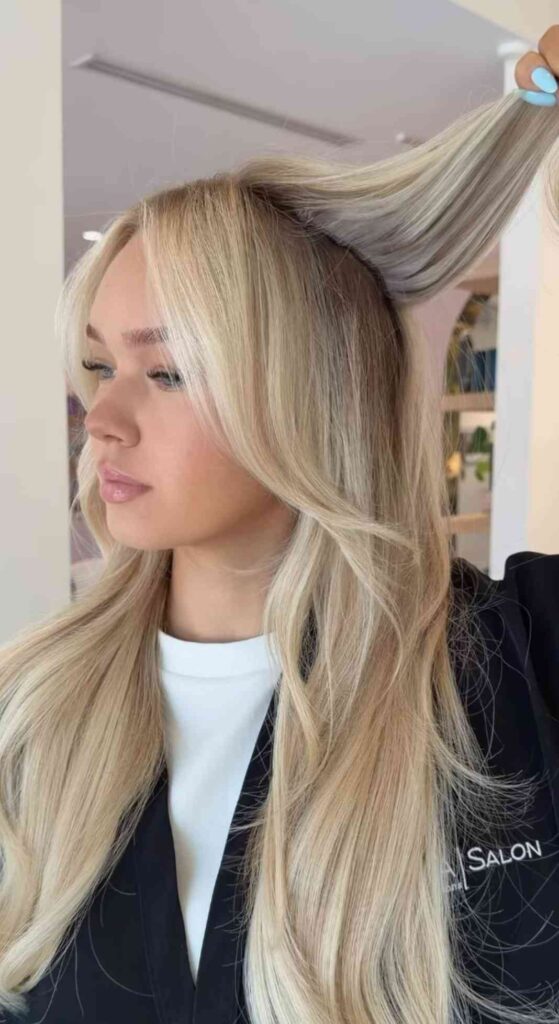
BLOG Keratin Treatment in Houston: Is It Worth It for Humidity and Frizz? (A Stylist's Honest Guide) Before and after blonde transformation at Studio A Salon in Houston — from foil application to a seamless, glassy platinum finish, custom-toned to stay bright and smooth in Houston humidity. If you live in Houston, you already know the routine: you blow-dry your hair smooth at 7 a.m., and by the time you walk from your car to the office, the humidity has undone all of it. Houston is consistently ranked among the most humid major cities in America, and that moisture in the air is the single biggest reason your hair frizzes, puffs, and loses its shape within hours. A professional keratin smoothing treatment is the most effective way to keep hair smooth, shiny, and manageable in Houston’s climate. For most clients, results last 3 to 5 months, cut blow-dry time roughly in half, and dramatically reduce frizz — even in August. Here’s how it works, who it’s right for, and what to ask before you book at Studio A Salon. What Is a Keratin Treatment, Exactly? Keratin is the natural protein your hair is already made of. Heat, color services, hard water, and UV exposure gradually wear that protein layer down, leaving the cuticle (the outer layer of each strand) rough and raised. A raised cuticle is what grabs moisture out of humid air — and that’s frizz. A professional keratin smoothing treatment deposits a keratin-based formula onto the hair, then seals it into the cuticle with heat from a flat iron. The result is a smoother, more sealed strand that: Resists humidity instead of absorbing it Reflects more light, so hair looks shinier Dries faster and styles in a fraction of the time Feels softer and detangles more easily Importantly, a keratin treatment is not a chemical relaxer. It doesn’t permanently break the bonds in your hair. If you have waves or curls, you can choose a level of smoothing that simply removes frizz while keeping your natural texture — or go sleeker for a straighter finish. It gradually washes out over several months, so there’s no harsh grow-out line. Why Keratin Treatments Make So Much Sense in Houston Specifically Two local factors work against your hair here, and we’ve written about both on this blog: 1. Humidity. Houston’s air holds enormous amounts of moisture for most of the year. Porous, damaged, or color-treated hair pulls that moisture in unevenly, which is why frizz gets worse the longer you’re outside. A sealed cuticle is your best defense. 2. Hard water. Much of Houston has mineral-heavy water that deposits calcium and magnesium on the hair shaft, roughening the cuticle and dulling shine. We covered this in detail in our post on how Houston hard water affects your hair. A smoothing treatment helps counteract that rough, coated feeling — and pairing it with an occasional chelating wash keeps results cleaner, longer. Put simply: in a drier city, a keratin treatment is a luxury. In Houston, it’s closer to a survival strategy. Keratin Treatment vs. Brazilian Blowout vs. Gloss: Which Do You Need? These services get confused constantly, so here’s the honest breakdown: Keratin smoothing treatment — Best for ongoing frizz, coarse or unruly texture, and long blow-dry times. Smooths for 3–5 months. The biggest commitment, with the biggest payoff in daily time savings. Brazilian Blowout–style express smoothing — A lighter, faster smoothing service. Less downtime, slightly shorter lifespan. Great for first-timers or anyone who wants to keep more wave and body. Gloss or toner — These refine color and shine, not texture. A gloss smooths the cuticle temporarily and boosts shine for several weeks, but it won’t humidity-proof your hair the way a keratin treatment does. See our hair gloss vs. toner guide for the full comparison. If your main complaint is frizz and styling time, you want a smoothing treatment. If your main complaint is brassiness or dullness, you want a gloss or toner. Many Houston clients ultimately combine them: color or balayage first, smoothing second, so you get dimension and a sleek finish in the same season. Is a Keratin Treatment Safe for Color-Treated or Balayaged Hair? Yes — when it’s done by a stylist who plans the timing correctly. In fact, color-treated hair often benefits the most, because lightened hair is more porous and more prone to humidity frizz. The key details a professional manages for you: Sequence: Color services are typically done first, then the smoothing treatment, which can actually help seal in tone. Formula choice: Modern professional formulas are chosen to protect blondes and balayage from unwanted warmth. Timing: Your stylist will tell you exactly how long to wait between services based on your hair’s condition. This is exactly why a consultation matters. Just like with color — we’ve written about the questions to ask before coloring your hair in Houston — the best smoothing results come from an honest conversation about your hair history, including any box dye, lightening, or previous straightening treatments. How Long Does a Keratin Treatment Last in Houston’s Climate? For most clients, 3 to 5 months — and how you care for it makes the difference between those two numbers: Use sulfate-free shampoo. Sulfates strip the treatment out faster. This is non-negotiable. Professional lines like Kérastase and Shu Uemura — both carried at Studio A — offer sulfate-free options designed for treated hair. Wash less often. Every wash slightly diminishes the treatment. Two to three washes a week is ideal. Mind the hard water. A shower filter or an occasional chelating shampoo (used sparingly) helps prevent mineral buildup from roughening your results. Protect it from chlorine and salt water. Rinse hair with clean water before swimming and condition after. Most clients in Houston book a smoothing treatment twice a year: once in late spring before peak humidity, and once in fall. Who Should Skip (or Modify) a Keratin Treatment? An honest salon will tell you this part, too: If your hair is severely compromised from bleach or chemical damage, you may need strengthening treatments first. If you love your curls exactly as they are, ask for the lightest smoothing level —
How Much Does Balayage Cost in Houston? (Honest Pricing From a Local Salon)
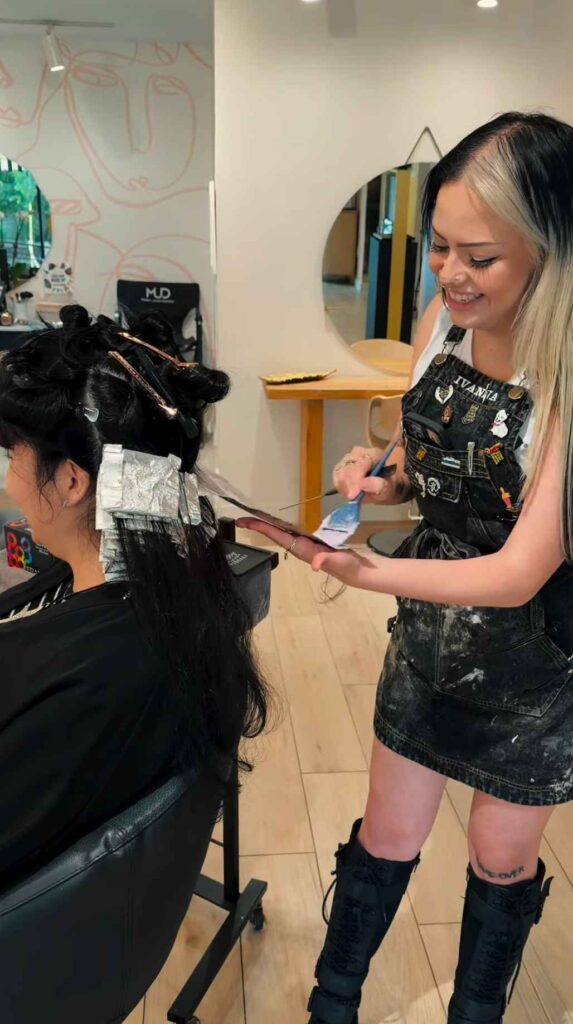
BLOG How Much Does Balayage Cost in Houston? (Honest Pricing From a Local Salon) A Studio A stylist applying balayage on dark hair in Houston — the technique and placement are what separate a great result from a brassy one. If you’ve searched for balayage pricing in Houston, you’ve probably noticed that most salons either don’t list prices or give a range so wide it’s useless. This post gives you a straight answer — and explains what actually moves the price up or down so you know what to expect before you book. What Balayage Typically Costs in Houston At a quality Houston salon, balayage generally falls in this range: Partial balayage: $150 – $250 Full balayage: $200 – $350 Balayage + toner or gloss: add $50 – $100 Balayage + haircut and style: add $75 – $150 These are honest mid-to-upper market numbers for Houston. Prices below this range usually mean shorter appointment times, fewer foils, or less experienced hands. What Makes the Price Go Up Length and thickness of your hair. More hair means more product and more time. Shoulder-length and below costs more than a bob. Your starting color. Going from dark brown to a bright, dimensional blonde takes more lightener — and sometimes more than one session — than going from a medium brown to a soft caramel. If your hair is very dark or previously colored, expect the process to take longer. How much coverage you want. A partial balayage focuses on the top layer and face frame. A full balayage covers more of the head and gives a richer, more dimensional result. Full always costs more. Toner. Balayage without a toner can look unfinished. The toner is what gives you that specific shade — cool blonde, warm honey, ashy brunette. It’s almost always worth adding, and most stylists will recommend it. What Makes the Price Go Down (and Why to Be Careful) Some salons charge less by cutting appointment time, skipping the toner, using fewer highlights, or rushing the processing. In Houston’s humidity, a rushed balayage with no toner or gloss will look brassy within weeks. The savings aren’t worth it. The better question isn’t “who is cheapest” — it’s “who will give me results that still look good in three months?” How Many Sessions Will You Need? If you’re starting from a natural or close-to-natural base, one session is usually enough. If you have box dye, previous color, or want to go significantly lighter, your stylist may recommend spacing it across two sessions to protect your hair. Rushing a dramatic color change is the most common cause of damage and color correction appointments. What About Maintenance? Balayage is low-maintenance compared to traditional highlights, but low-maintenance doesn’t mean zero maintenance. Most clients come in for a toner refresh every 6 to 8 weeks and a full balayage refresh every 3 to 6 months depending on how fast their hair grows and how light they went. You can read more about timing in our post How Often Should You Refresh Your Balayage. Houston’s humidity and hard water also affect how long your color stays fresh. Using a color-safe shampoo and a weekly gloss or mask at home makes a real difference between appointments. We cover this in detail in How Houston Hard Water Affects Your Hair. According to Healthline, hard water minerals bind to the hair shaft and can cause color to fade faster and strands to feel rough even after washing — which is something Houston clients deal with constantly given the city’s water supply. Why Pricing Varies So Much Between Salons Balayage is a technique, not a formula. The results depend entirely on the skill and eye of the person doing it — how they section the hair, where they place the lightener, how they blend it, and how they choose and apply the toner. A stylist who has done hundreds of balayage services on dark Houston hair will give you a very different result than someone who learned it recently. Continuing education and hands-on training are among the strongest indicators of consistent color results. It’s worth asking your stylist how often they train. The Honest Answer to “How Much Will Mine Cost?” The only real way to give you a precise number is to see your hair in person. Length, texture, current color, and your goal all factor in. At Studio A Salon, every color service starts with a consultation so you know exactly what’s involved before anything is touched. There are no surprise add-ons at checkout. What we quote in the consultation is what you pay. Ready to Find Out What Your Balayage Would Cost? Book a consultation at Studio A Salon in Houston and we’ll walk you through exactly what your hair needs, how many sessions to expect, and what the investment looks like — before we start anything. Book your appointment here.
