
How to Protect Color-Treated Hair from Houston Summer: Sun, Chlorine, and Sweat
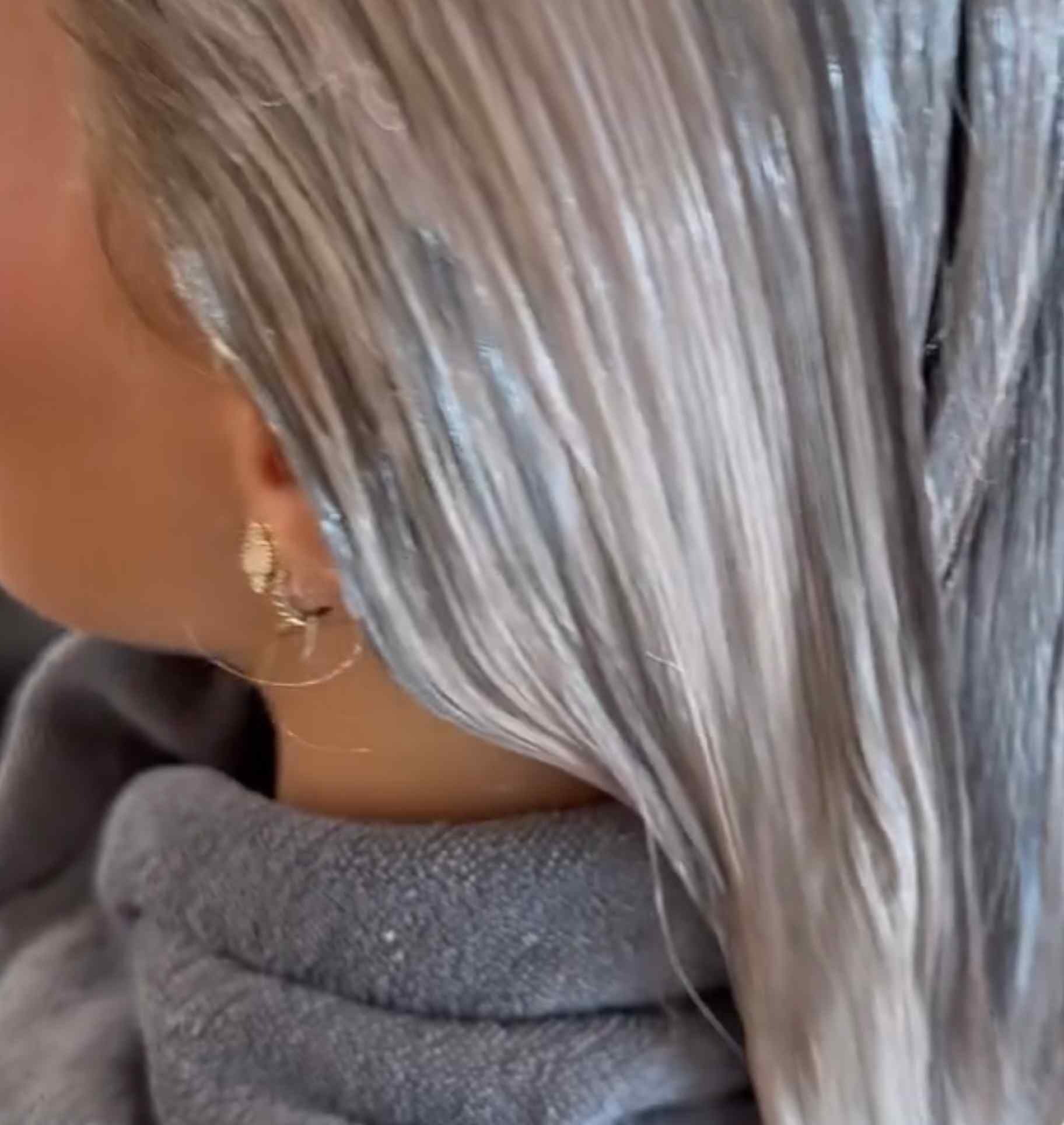
A toning gloss mid-application at Studio A — the fastest way to rebalance summer brassiness and bring shine back to color-treated hair.
Houston summer fades color-treated hair faster than most people expect — and it's rarely just "the sun." In our chairs at Studio A Salon, the biggest culprit is usually pool chlorine binding with hard water minerals, with UV rays, sweat, humidity, and extra heat styling stacking damage on top, day after day. The good news: a few simple habits protect your color better than any single product, and the timing of one mid-summer salon visit can save you from an expensive correction in September.
Why Houston Summer Fades Hair Color So Fast
Houston creates a perfect storm for color fade: a high UV index, heavy humidity, frequent pool time, and more hot-tool use to fight frizz. Each of those lifts the hair cuticle a little, and the damage compounds quickly.
Color-treated hair is also more porous than virgin hair, especially after lightening for highlights, balayage, or blonde. Higher porosity means dye molecules rinse out more easily, and hair loses moisture and protein faster. Dermatologists confirm that lightened and color-treated hair is more susceptible to both UV and chlorine damage than darker, untreated shades — which is exactly why summer hits Houston blondes the hardest.
The Houston Factor: Chlorine + Hard Water Minerals
Here's the twist most national articles miss. When chlorine meets Houston's hard water, minerals like copper deposit onto the hair shaft and shift your tone. We've seen noticeable copper deposits after just one or two swims, especially on porous, lightened hair — it's the most common reason blondes walk in with green tinges or sudden brassiness in July.
Prevention beats correction. If you wait until late summer, you're fighting mineral buildup, UV oxidation, and dryness all at once. If hard water has already been a problem at home, our guide on how Houston hard water affects your hair breaks down the signs and fixes in plain English.
What Sun and Sweat Do to Color
UV rays oxidize hair color, roughen the cuticle, and dull shine — for reds, brunettes, and vivids, not just bleached blondes. Sweat is the overlooked one: salt, sebum, and product buildup form a film that makes color look flat and hair feel sticky at the roots and hairline, right where fading shows first.
Your Houston Summer Color-Saving Routine
We like a simple framework: cleanse, condition, protect, and correct. Consistency matters more than chasing miracle products. If you do nothing else, do the daily protect step and the pool routine.
Screenshot this checklist:
- Daily: leave-in conditioner with UV filters + heat protectant
- Pool days: saturate hair with tap water + conditioner barrier + braid, bun, or swim cap
- After swimming: rinse immediately, cleanse gently that night
- Weekly: one deep conditioning mask; one bond-building treatment if lightened or heat-styled
- As needed: clarifying shampoo for sweat and product buildup; chelating treatment for minerals
- Early July: book a chelating treatment + gloss at the salon
Daily: Protect Before You Step Outside
Apply a leave-in conditioner with UV filters and heat protection to damp hair. In Houston, we treat UV-protectant spray like sunscreen for your part line and ends. Then choose low-tension protective hairstyles when it's hot — a loose braid, low bun, or claw clip reduces sweat friction at the nape and hairline, where fading and breakage show up first.
Weekly: Repair and Seal the Cuticle
Rotate a hydrating deep conditioning mask with a bond-building treatment based on your damage level. If you're lightened or heat style often, the bond step helps with protein loss and snapping ends. Finish with a cool rinse — it helps the cuticle lie flatter, which boosts shine and makes color look richer.
Pool Protection: Preventing Green, Brass, and Dryness
The most effective pre-swim step is also the simplest: saturate your hair with tap water and apply conditioner before you get in. Hair acts like a sponge — if it's already full of clean water and conditioner, it absorbs far less chlorinated water. Work the conditioner barrier through your mid-lengths and ends, then contain your hair. A swim cap is best, but a braid or bun still helps by minimizing exposed surface area.
After you swim, speed matters. Rinse immediately after getting out, even if you can't shampoo right away — never let pool water dry on your hair in Houston heat, where minerals and chlorine bake in fast. That night, cleanse smart with a gentle, color-safe, sulfate-free shampoo followed by conditioner.
If Your Blonde Is Turning Green (or Your Brunette Goes Orange)
Green tones are usually mineral buildup — often copper — binding to porous hair, and chlorine makes the reaction worse. The fix is a chelating treatment first to remove the deposits, then a toner or gloss to rebalance the shade. More pigment on top of minerals just makes mud.
Brassiness is usually UV oxidation plus heat damage lifting the cuticle and exposing warm undertones. Purple shampoo helps with yellow tones and blue shampoo with orange, but limit either to once or twice a week — overuse leaves porous ends dry, dull, and unevenly toned. Alternate toning washes with hydrating ones, and pair toning with a mask.
Clarify vs. Chelate: Know the Difference
Clarifying shampoo removes product buildup, sweat residue, and excess oil — great after outdoor events or heavy dry shampoo use. Chelating targets minerals and metals from hard water and pools. Overusing either strips tone, so choose based on what you're actually dealing with that week: sticky and dull means clarify; green or stubborn brass means chelate.
Sun, Heat, and Sweat Defense
Physical protection outperforms products alone. The American Academy of Dermatology recommends a wide-brimmed hat and avoiding peak sun between 10 a.m. and 2 p.m. — the hat protects your part line and hairline, where sun exposure concentrates. A silk scarf earns its spot too: less friction, less frizz, and less temptation to "fix it" with extra hot-tool passes.
On heat styling: use a heat protectant every time, keep tools at the lowest effective temperature, and avoid slow, repeated passes. Air-dry partway, then finish on warm or cool. Repeated touch-ups are what cook the cuticle and dull color. An anti-humidity serum or cream with UV protection controls frizz without forcing daily heat — just avoid high-alcohol formulas, which dry hair out and increase porosity.
Sweat and Scalp Care
Plan for sweat the way you plan for pool water. For workouts, Astros games, festivals, and Galveston beach days, a fast rinse prevents that sticky, dull look that reads as fade. After a workout, rinse the scalp and hairline or do a light co-wash — no full shampoo needed. Use dry shampoo only on fully dry hair, and blow-dry the roots on cool for a minute so sweat doesn't sit on the scalp mixing with product buildup. Keep cleansing focused at the scalp and conditioning focused on your driest lengths.
The Mid-Summer Salon Game Plan
Our strongest Houston-specific advice is about timing: book a chelating treatment plus gloss in early July, not August. By August, most clients have layered on minerals, oxidation, and dryness, and the fix takes longer and costs more.
Chelation clears the canvas — removing the mineral and metal deposits that distort tone. A gloss then re-deposits tone, restores shine, and smooths the cuticle without the commitment of a full color appointment. This combo prevents the late-summer panic appointment, and it makes your at-home purple or blue shampoo work more evenly because the hair isn't coated in minerals. Not sure whether you need a gloss or a toner? The short answer: gloss for shine and refresh, toner for correcting unwanted warmth — your stylist will often use both.
Maintenance intervals vary by service. Highlights and balayage typically look their best with one mid-summer gloss — our guide on how often to refresh your balayage covers exact timing. Vivid colors usually need more frequent toning to stay crisp. And if you're choosing a technique that holds up better in Houston humidity and grow-out, start with our comparison of balayage vs. highlights for dark hair in Houston, or browse our approach to dimensional color in The Heights.
One warning: if summer fade tempts you toward box color, don't. Summer is when small mistakes show up loudest, and our post on hair color correction in Houston covers what we see when box dye meets chlorine and hard water — it's rarely pretty, and it's always more expensive to fix than a gloss would have been.
Signs You Should Come In Sooner
Watch for color shifts — green, orange, or a muddy tone that won't rinse out. Those are usually mineral-related and need chelation, not more pigment. Texture changes matter too: roughness, tangling, sudden dullness, and breakage around the face frame all mean the cuticle is staying lifted. And if humidity-driven frizz is pushing you into daily heat styling, a keratin smoothing treatment can break that cycle for the rest of the season.
Common Mistakes That Speed Up Summer Fade
Skipping the tap-water saturation before swimming is the big one, and letting pool water dry on your hair is a close second. Beyond those: overusing purple shampoo on porous ends, cranking heat tools daily without protectant, and reaching for harsh clarifiers when the real problem is minerals that need chelation.
If you've already over-stripped your color, pause clarifying and toning for a week. Focus on hydration, a bond-building treatment, and a gentle sulfate-free shampoo — then book a gloss instead of DIY-correcting with more pigment at home. A professional gloss evens tone and restores shine without stacking more damage.
FAQ: Houston Summer Hair Color Protection
How do I protect color-treated hair from chlorine? Fully saturate your hair with tap water, apply conditioner as a barrier, and contain it in a braid, bun, or swim cap before swimming. Rinse immediately after, cleanse gently that night, and schedule a chelating treatment if you swim often.
Why does blonde hair turn green in the pool? It's usually mineral buildup — often copper — binding to porous, lightened hair, and chlorine worsens the reaction. A chelating treatment removes the deposits first; then a toner or gloss brings the blonde back to clean.
Is purple shampoo good for summer brassiness? Yes, used sparingly — once or twice a week — and balanced with hydration so hair doesn't end up dry, dull, or unevenly toned.
Does the sun fade hair color even if it's not bleached? Yes. UV exposure oxidizes dye and roughens the cuticle, so both natural and color-treated shades fade and lose shine faster in summer.
What's the difference between clarifying and chelating shampoo? Clarifying removes product buildup, sweat residue, and oils. Chelating targets minerals and metals from hard water and pools — the key to preventing green tones and stubborn brassiness in Houston.
Keep Your Color Bright Through Labor Day
Prevention is the win in Houston: wet and condition before you swim, rinse immediately after, use UV and heat protection daily, and keep cleansing gentle but consistent. Treat mineral buildup early with chelation, then refresh tone with a gloss in early July — not after the damage is done.
If your color is already shifting or your ends feel crispy, a mid-summer gloss appointment can save you from a much bigger correction later. Book a summer gloss or color consultation with the Studio A team, and we'll build a plan that survives everything Houston throws at it through September.
Posted on 07/03/2026 at 07:48 AM


