
Hair Extensions in Houston Humidity: What Actually Holds Up
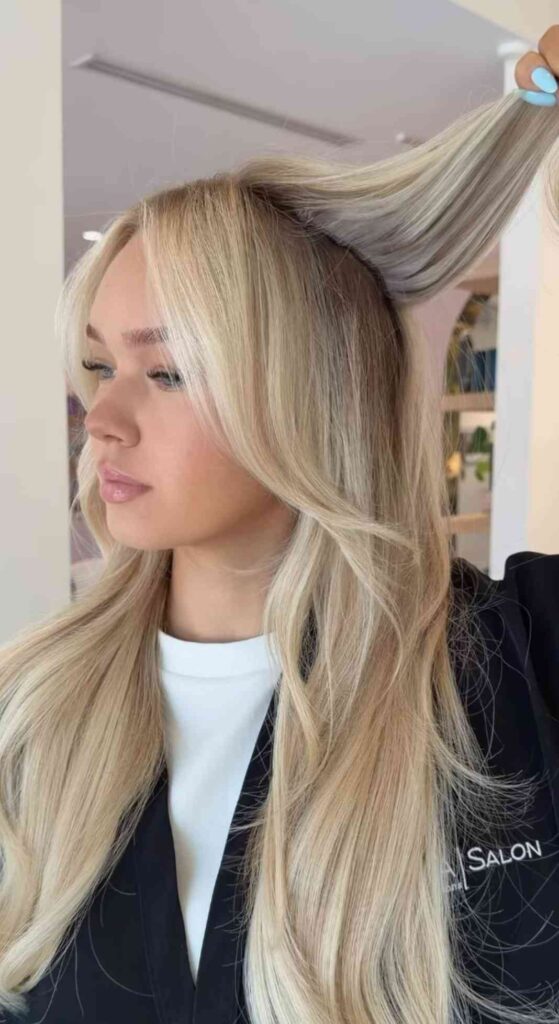
Most people asking about hair extensions in Houston have already had one bad experience. A client comes in with extensions installed somewhere else, and by week three the top layer looks smooth while the extension hair has puffed into something completely different. Or the wefts have slid an inch down and there’s a matted knot at the nape she can’t brush out. That’s usually not a client problem. Houston sits on the Gulf Coast, and from May through September the air holds moisture the way a wet towel does, which changes how extension hair behaves, how well the attachment points hold, and how often you realistically need to come back in. If you’re weighing hair extensions in Houston, the method matters less than most people assume, though it does matter, and a few options genuinely hold up better here than others. Here’s what we tell clients before they book. Why Humidity Is the Whole Problem Hair swells when it absorbs moisture. Your natural hair does it and so does the extension hair, but they don’t always do it at the same rate, and that’s where the trouble starts. Extension hair has been processed. Stripped, colored, and usually silicone-coated so it feels glassy in the package. That coating wears off after a handful of washes, and once it’s gone the cuticle underneath reacts to humidity on its own terms. Lower grades of hair react fast. That’s the mismatch you see around month two, where your hair looks fine and the extension hair looks frizzy and dull no matter how much oil you put on it. The second issue is weight. Damp hair is heavier hair, so attachment points that felt comfortable in an air-conditioned salon are carrying more load by the time you’ve walked to your car in August. Add sweat at the scalp, product buildup, and the mineral content in Houston’s water, and the bond area takes a lot more stress here than it would in a dry climate. How Each Method Handles Gulf Coast Air There’s no single winner. There’s a right answer for your hair, your budget, and how much salon time you’re willing to commit to. Tape-ins are the most popular option here, and for good reason. They’re flat, fast to install, and reusable. The tradeoff is that adhesive and heat aren’t friends, so sweat, oil, and steamy days all soften the bond. Clients who work out hard or spend their weekends outside tend to see slippage before the standard six to eight weeks are up. Tape-ins suit fine to medium hair well as long as you’re realistic about the move-up schedule, and they’re a poor fit for anyone washing every other day with an oily scalp. Hand-tied wefts get sewn onto a beaded track instead of glued, so there’s no adhesive to break down at all. That makes them one of the more humidity-stable choices we install, and the weft lies flat and moves the way most clients want it to. The catch is density. A hand-tied weft needs enough hair to hide the track and support the weight, and fine hair around the temples and hairline often can’t carry it. That’s a consultation question rather than a website question. [If your hair is on the finer side, our stylists will usually walk through options in person before recommending anything.] Beaded Wefts, Keratin Bonds, and Clip-Ins The remaining three options each solve a different problem, and none of them is a default. Machine-sewn and beaded wefts run thicker at the seam than hand-tied, but they’re stronger and often the better call for clients who want real volume. Same advantage in humidity, since there’s no glue involved, and the same requirement that you have hair that can carry it. Keratin bonds give you the most movement and the most flexible placement, which is genuinely useful for filling in around a face-framing layer. They also soften with heat, so blow-drying directly on the bond and long stretches of outdoor heat will both shorten their life. Bonds take the longest to install and the longest to remove. Clip-ins aren’t a long-term answer, but they’re the smartest option for a wedding weekend, a photo shoot, or a client who isn’t ready to commit to anything. Nothing sits on your scalp between wears, which means nothing pulls. What Actually Goes Wrong Here A few failure patterns show up over and over with hair extensions in Houston, and we see all of them at our Heights salon. Matting at the nape is the most common. The back of your neck stays damp longer than anywhere else on your head, so if you’re sleeping on wet hair or tying it up before it’s fully dry, that’s where the tangling starts. Texture drift is next. The extension hair loses its coating and begins frizzing on a different schedule than your own hair. Better-quality hair delays that, though nothing prevents it entirely. Slippage usually traces back to oil, or to conditioner applied too close to the root, or occasionally to a bond that was set on hair that wasn’t quite dry. Mineral buildup is the one people miss. Houston water leaves deposits that dull extension hair faster than they dull your own, because extension hair isn’t getting any oil from your scalp to protect it. If your extensions look grey-toned or feel coated, look at your water before you blame the hair. Quality of Hair Beats Choice of Method You can install a mediocre bundle perfectly and it will still look rough in six weeks. Good hair installed with a solid method will get you eight to twelve months with proper move-ups. Ask what hair your stylist uses and where it comes from, and ask whether the cuticle is intact and aligned. Cuticle-aligned Remy hair costs more up front, and it’s the single biggest factor in whether your extensions survive an August in this city. [We use ___ for most of our installs, because ___.] Cheaper hair is cheaper for a reason that shows up around week
